Skip to content
The Netherlands Beneath Your Feet

Almost forgotten

Almost forgotten places in North Holland

A place does not have to disappear to be forgotten. Sometimes a tower remains while the village around it changes. An old shipyard begins a new life. A defensive line slowly becomes overgrown. Yet the original story often fades from view. On this page you can discover almost forgotten places in North Holland, from quiet villages and old defences to vanished industry and historic sites that can still be visited. These are places where the past has not disappeared, but needs to be read again.

View the almost forgotten places ↓

Why North Holland holds so much hidden history

North Holland changed dramatically in a relatively short period. Villages were absorbed by cities. Industry disappeared along the North Sea Canal and old defensive works became overgrown. Railways, roads, polders and new residential districts also transformed the landscape. As a result, parts of the past survived, but often without it being clear what a place was once used for.

That transition is precisely what makes the province interesting. A church can end up surrounded by modern infrastructure. A military site can become a residential or cultural district. A vanished castle may survive only as a change in ground level or an unusual bend in the landscape. Look beyond the familiar monuments and you discover how much history is still simply present.

Many visitors mainly know North Holland for its major attractions. Yet beyond the best-known routes lie dozens of historic places that are surprisingly quiet. That makes them interesting for anyone looking for unusual sights or lesser-known places to visit.

How these places were selected

The selection is not limited to unknown locations. Sometimes the place itself is well known, while its original function has almost faded from view. The NDSM shipyard and the Hembrug site are examples. Other places are barely noticeable, such as the remains of the Beverwijk Defence Line or the old General Cemetery in Huizen. A vanished element can also fit this theme, but only when the present-day place you can visit has itself largely been forgotten and the story is not solely about what disappeared.

All locations have one thing in common: their story can still be found at the place itself. It may be a building, a wall, an old route or a change in the landscape. The places were chosen because together they show how varied North Holland’s forgotten heritage is.

Why important places are forgotten

Historical importance does not automatically bring recognition. Places fade from view when their function disappears, when they lie away from main routes or when larger monuments attract all the attention. Sometimes there is no obvious entrance, information panel or recognisable building.

A place that once shaped work, power, care or defence can therefore turn into an inconspicuous remnant. The history does not disappear completely, but it becomes harder to read. That is exactly why these locations deserve renewed context and attention.

Learning to value what remains

Almost forgotten places are best approached differently from famous attractions. You do not come for a complete ensemble, but for what remains: an ice cellar, a truncated tower, a bunker, a cemetery or a piece of industrial landscape.

The value lies in the story that the surviving remains reveal, not only in their appearance. A simple structure can open up a much larger story about country estates, shipbuilding, coastal defence or social welfare.

Historic sights you may not know yet

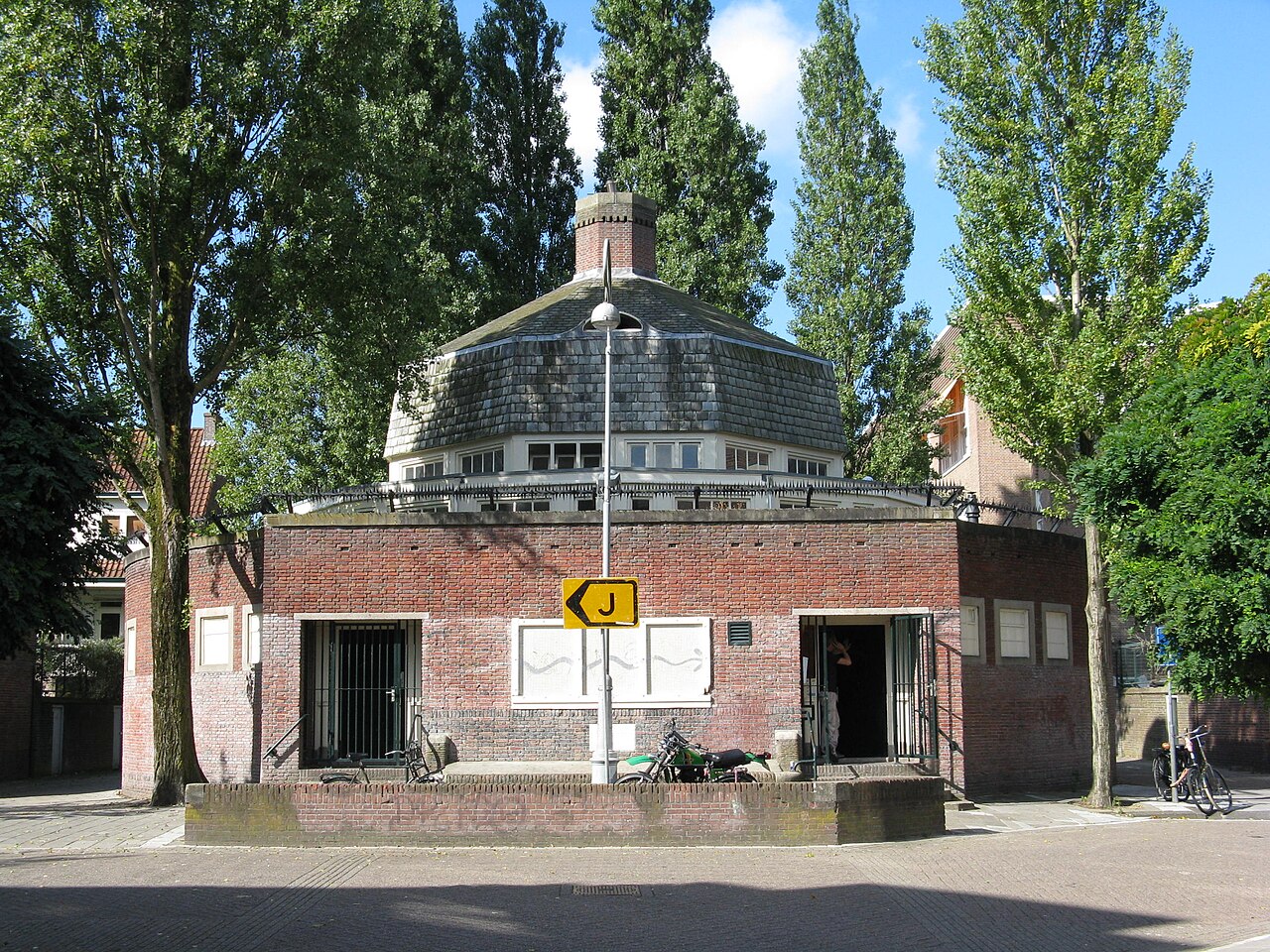
Former Diamantbuurt Bathhouse on Diamantstraat near Smaragdplein in Amsterdam-Zuid

Photo: Ceinturion

Credit: Photo: Ceinturion, via Wikimedia Commons, CC BY-SA 3.0 NL

Licence: CC BY-SA 3.0 NL

Changes: No changes.

Source ↗

Almost forgotten

Diamantbuurt Bathhouse

Amsterdam

On Diamantstraat stands a round building that once served a very ordinary yet essential purpose: giving residents without a private bathroom access to hot water. The municipal bathhouse from 1925–1926 connects Amsterdam School architecture with public health, working-class housing and a vanished daily routine.

View this place
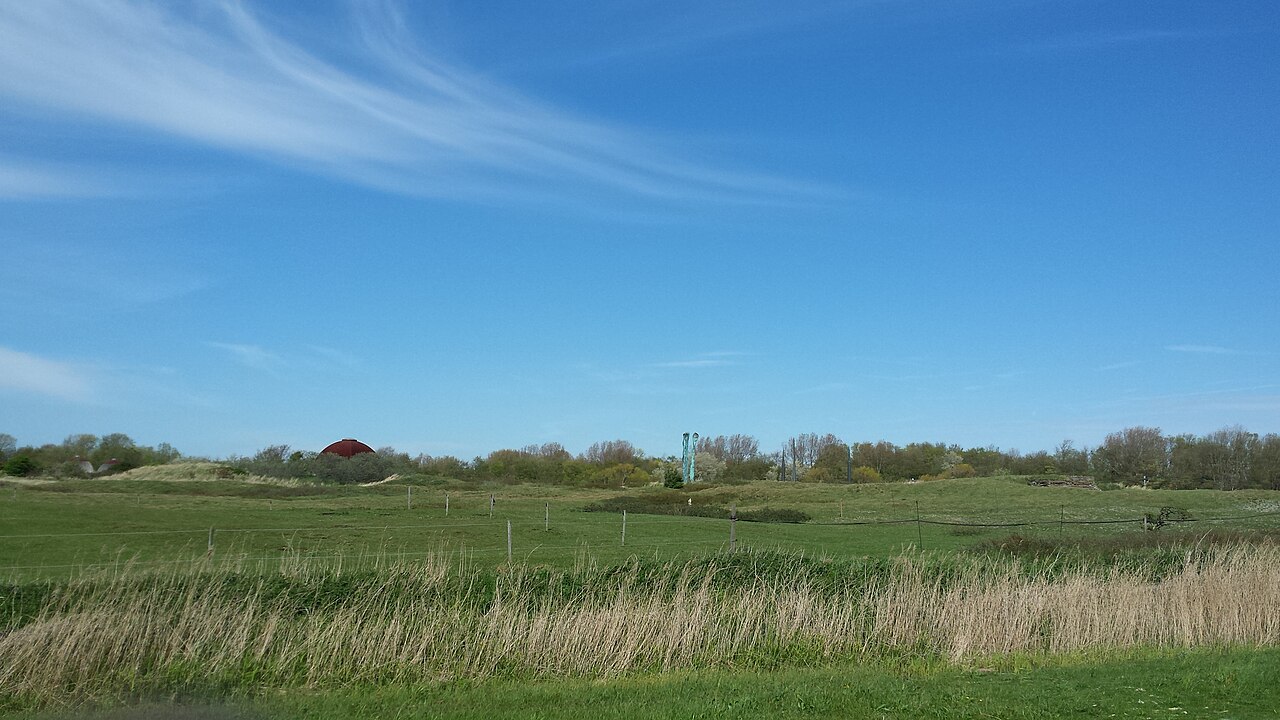
The landscape of De Nollen near Den Helder with grass, water, dune relief and artworks by R.W. van de Wint

Photo: Lars van der Heide

Credit: Photo: Lars van der Heide, via Wikimedia Commons, CC BY-SA 4.0

Licence: CC BY-SA 4.0

Changes: No changes.

Source ↗

Almost forgotten

De Nollen near Den Helder

Den Helder

On the edge of Den Helder lies De Nollen, an inland dune landscape where bunkers, water, rough vegetation and art merge. From 1980 onwards, artist R.W. van de Wint worked here on a lifelong total work of art. The result is not a sculpture garden, but a landscape that slowly reveals itself as you walk through it.

View this place
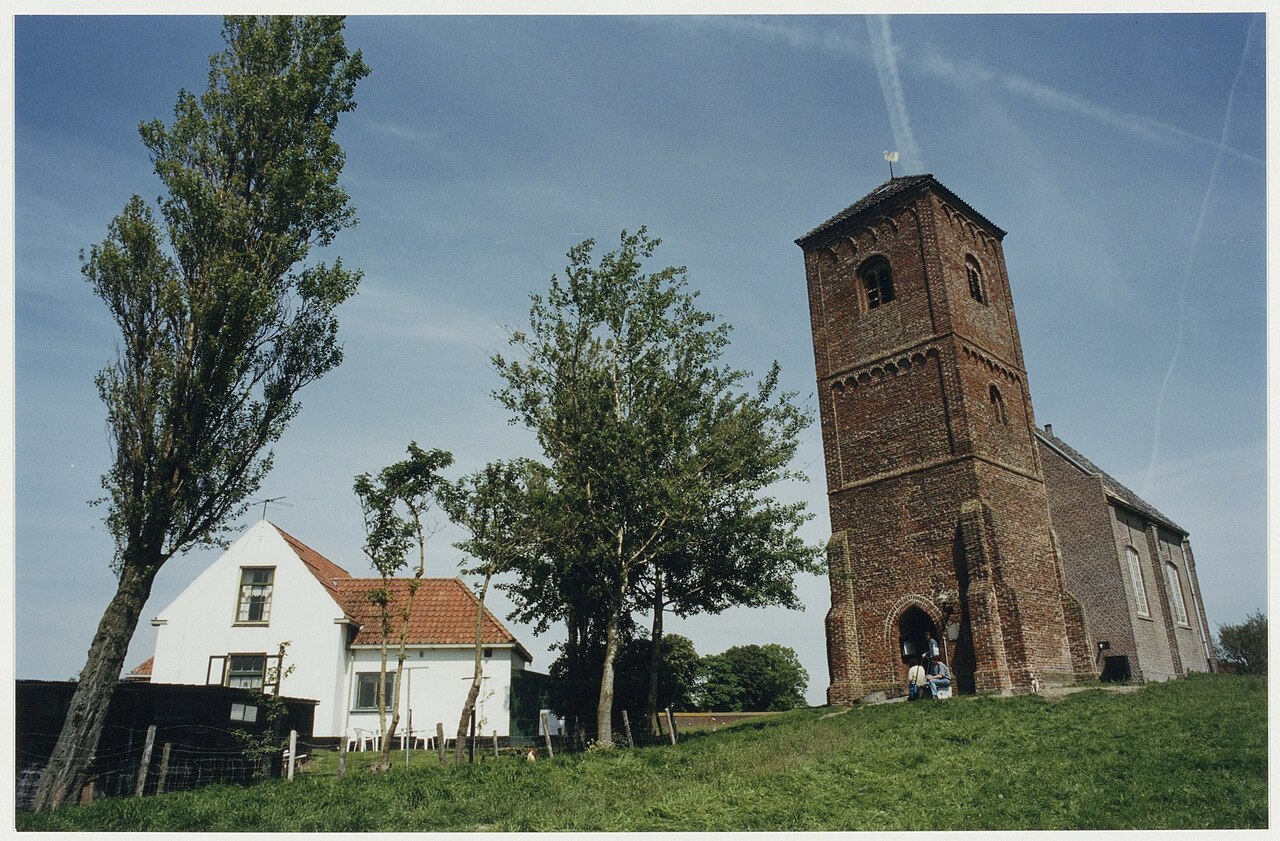
Stump Tower of Spaarnwoude with the brick church on the old church site

Photo: Ron Pichel (Fotoburo de Boer)

Credit: Photo: Ron Pichel. Noord-Hollands Archief / Fotoburo de Boer, via Wikimedia Commons, CC0 1.0

Licence: CC0 1.0

Changes: No changes.

Source ↗

Almost forgotten

Stump Tower of Spaarnwoude

Haarlemmermeer

On the Kerkweg in Spaarnwoude stands a tower whose name carries its loss. the Stump Tower is the surviving part of a much older church site on an ancient beach ridge. The medieval tower was shortened in the nineteenth century and given a low roof. What remains is not a complete medieval church, but a landmark showing how village, church, churchyard, landscape and poverty formed one almost forgotten layer.

View this place
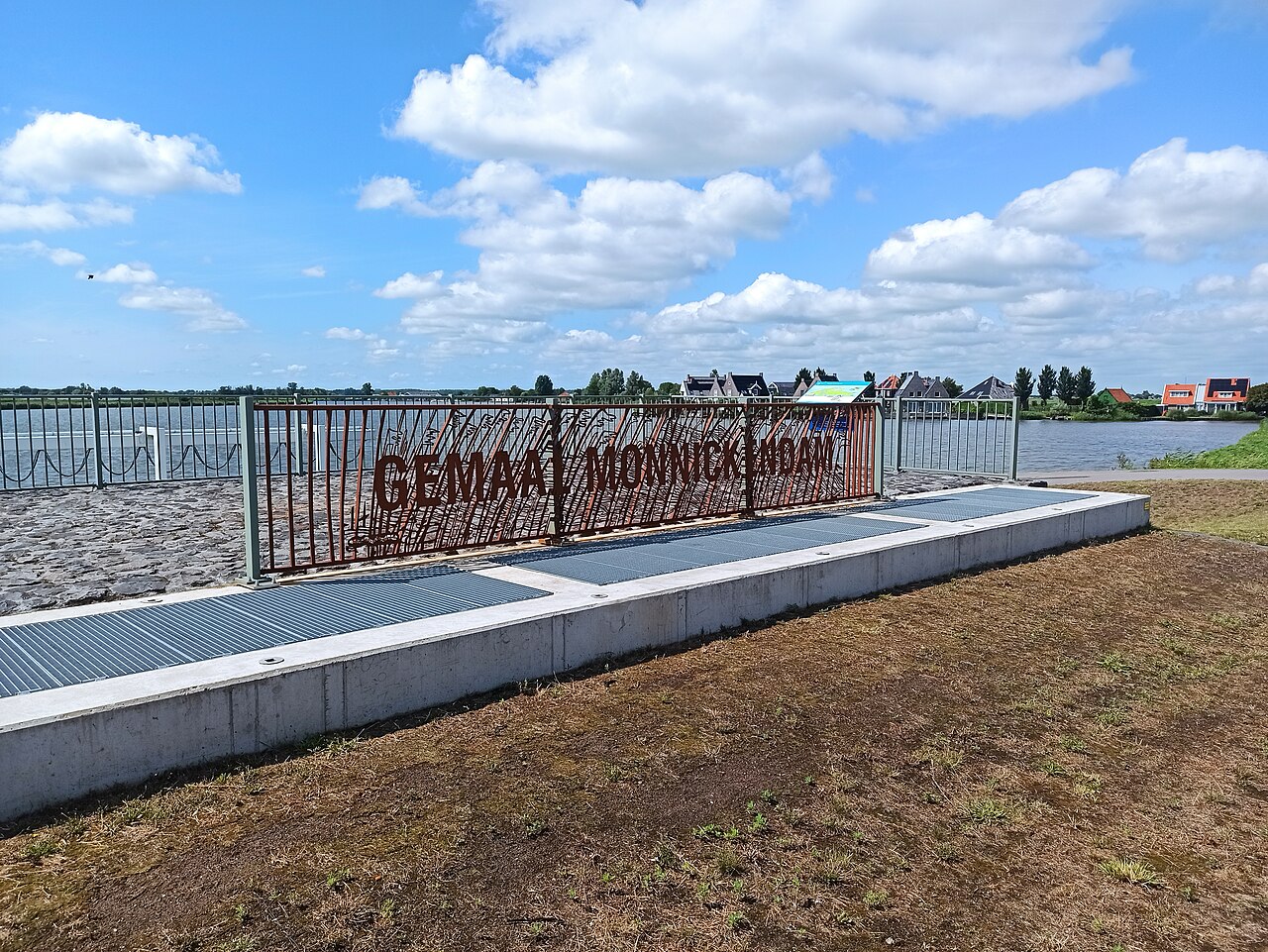
Gemaal Monnickendam at the Nieuwendam, above the place where remains of an older wooden lock were found

Photo: Hobbema

Credit: Photo: Hobbema, via Wikimedia Commons, CC0 1.0

Licence: CC0 1.0

Changes: No changes.

Source ↗

Almost forgotten

The vanished lock near Monnickendam

Waterland

At the Nieuwendam north of Monnickendam, a modern pumping station now stands where a complete wooden lock once lay hidden below the surface. The passage connected Waterland’s inland waters with the former Zuiderzee and later disappeared entirely from view. Only during construction work in 2021 were the wooden remains uncovered again.

View this place
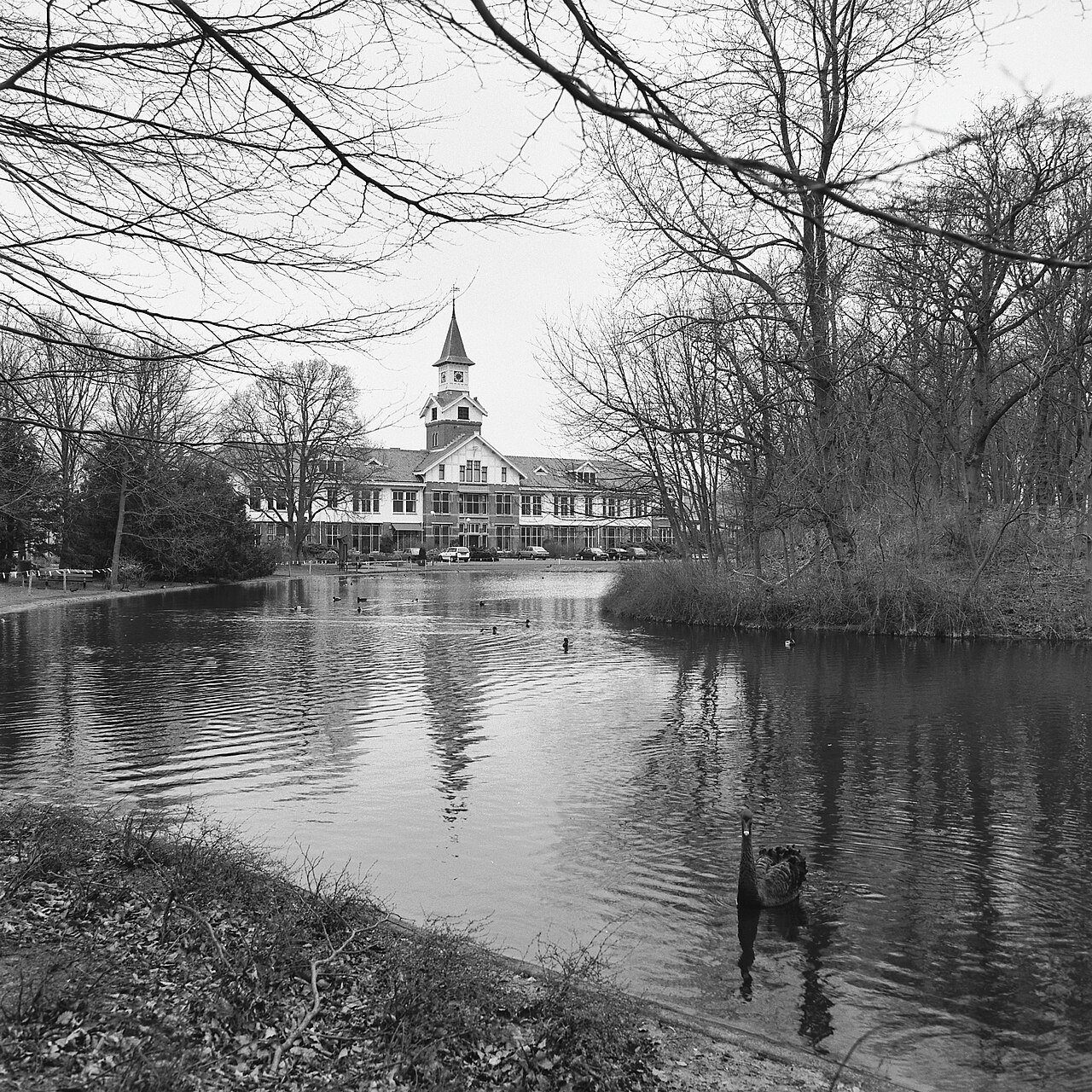
Former main building of Duin en Bosch near Castricum

Photo: Gerard Dukker

Credit: Photo: Gerard Dukker. Source: Rijksdienst voor het Cultureel Erfgoed, via Wikimedia Commons, CC BY-SA 4.0

Licence: CC BY-SA 4.0

Changes: No changes.

Source ↗

Almost forgotten

Duin en Bosch

Castricum

Near Bakkum lies Duin en Bosch, a former psychiatric hospital developed from 1904 as a largely self-contained institutional village. Pavilions, staff housing, workshops, a church, water tower and cemetery together formed a world of care, order and separation. That original layout can still be read in the landscape.

View this place
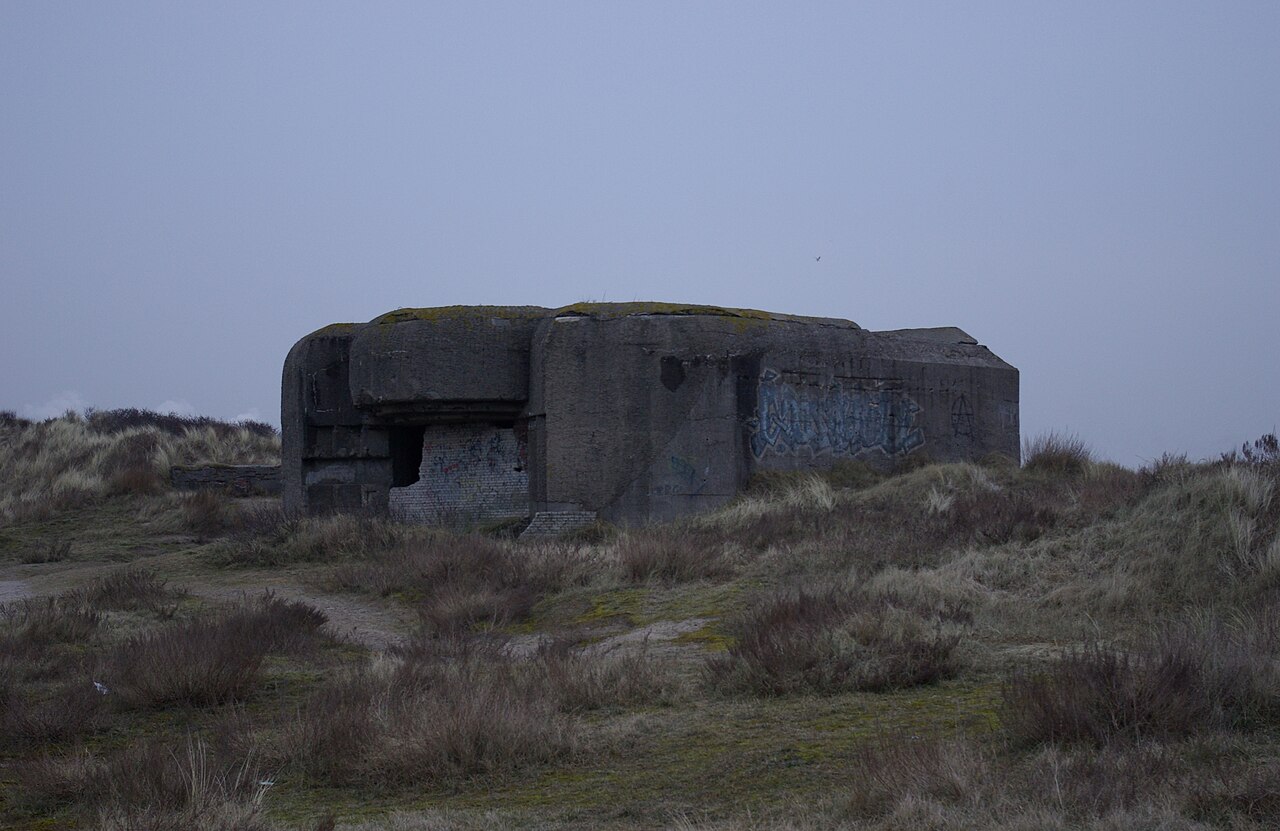
M 272 gun bunker belonging to the Heerenduin coastal battery near IJmuiden

Photo: Janericloebe

Credit: Photo: Janericloebe, via Wikimedia Commons, public domain

Licence: Public domain

Changes: No changes.

Source ↗

Almost forgotten

Festung IJmuiden and the Atlantic Wall

Velsen

Around IJmuiden’s harbour, locks, dunes and industrial areas lie the remains of one of the most heavily fortified gateways in the Netherlands. Festung IJmuiden was not a single fort, but an extensive system of coastal batteries, bunkers, barriers and harbour works. Much has disappeared, but its scale and military logic can still be read in the landscape.

View this place
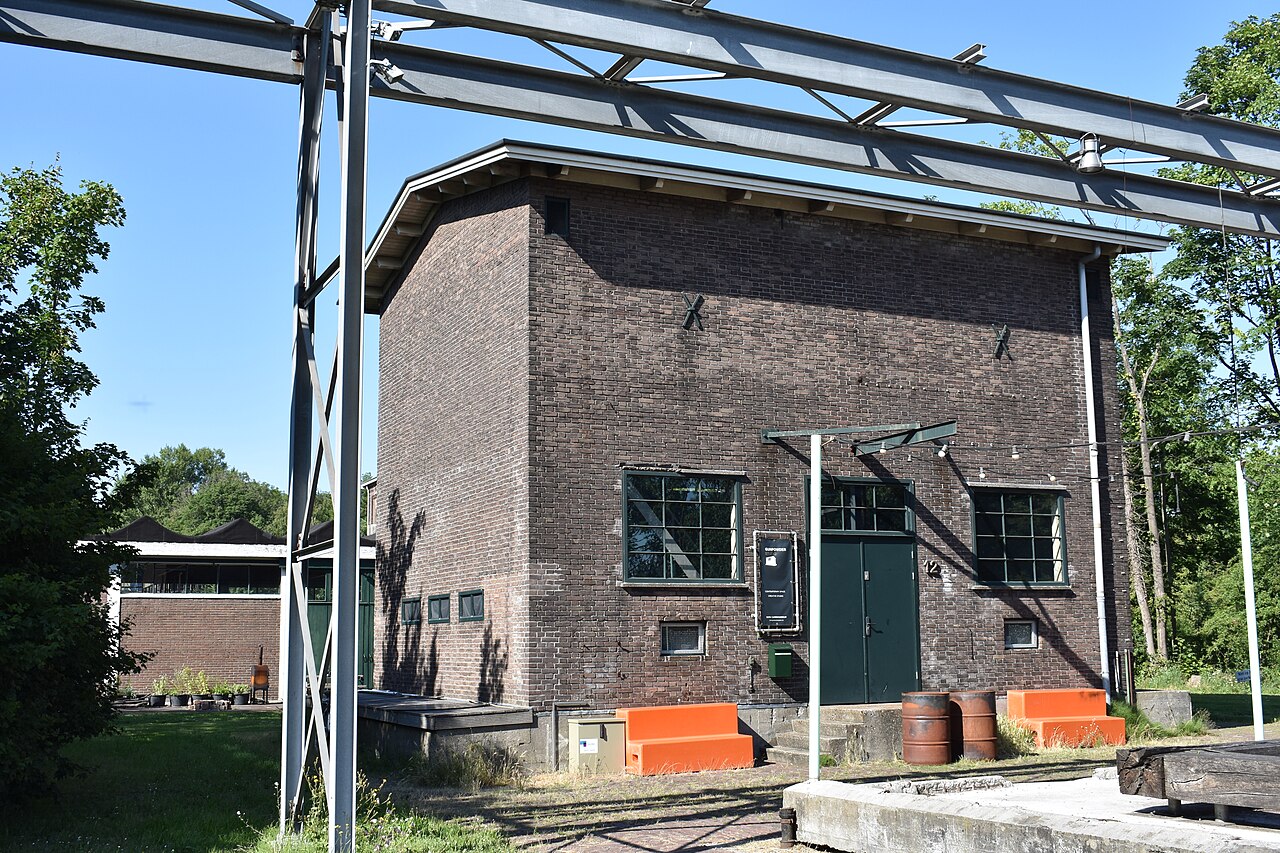
Former industrial building on the Hembrug site in Zaandam

Photo: Rosemoon

Credit: Photo: Rosemoon, via Wikimedia Commons, CC BY-SA 4.0

Licence: CC BY-SA 4.0

Changes: No changes.

Source ↗

Almost forgotten

Hembrug Site, Zaandam

Zaanstad

On the North Sea Canal in Zaandam lies the Hembrug site, a former military-industrial complex that remained closed to almost everyone for more than a century. Workshops, sheds, laboratories, railway tracks and safety zones recall the production of weapons and ammunition. Today, you walk through a site where secrecy, industry and redevelopment remain visible side by side.

View this place
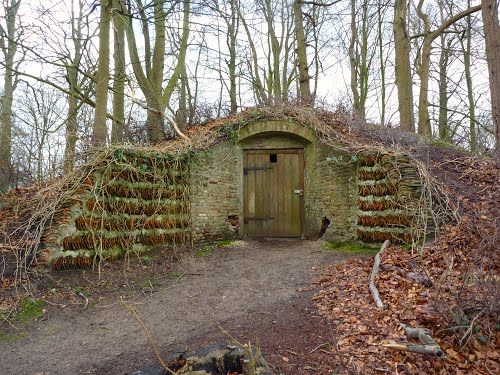
Ice cellar on Elswout Estate near Overveen

Photo: Martinklumper.nl

Credit: Photo: Martinklumper.nl, via Wikimedia Commons, CC BY-SA 4.0

Licence: CC BY-SA 4.0

Changes: No changes.

Source ↗

Almost forgotten

Ice Cellar at Elswout Estate

Bloemendaal

Hidden on Elswout Estate lies a nineteenth-century ice cellar: a quiet reminder of the time before electric refrigeration. Winter ice was stored here to keep food, drink and luxury products cool during summer. The small building shows how cleverly country estates used season, landscape, shade and technology.

View this place
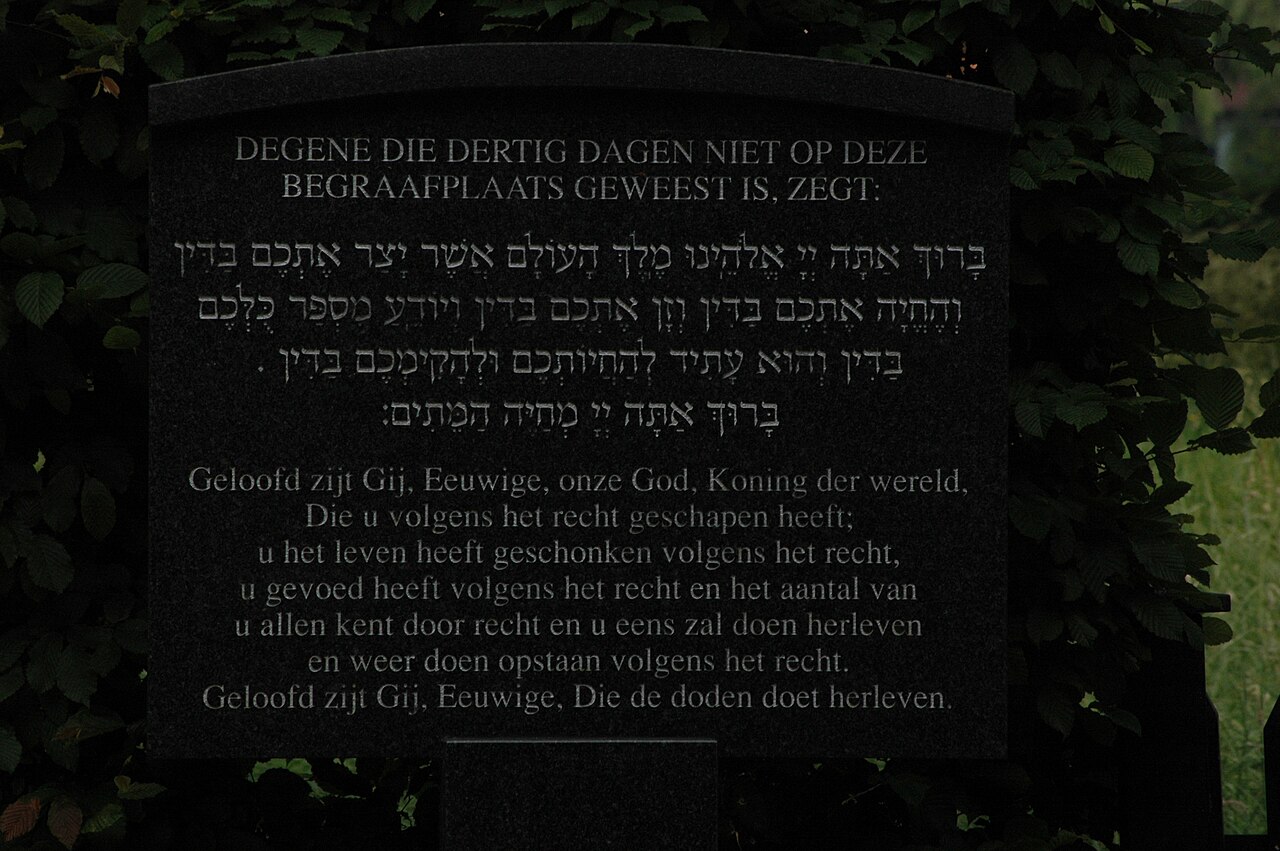
Burial fields of the Jewish cemetery Beth Haim in Ouderkerk aan de Amstel

Photo: Rokus C

Credit: Photo: Rokus C, via Wikimedia Commons, CC BY 3.0

Licence: CC BY 3.0

Changes: No changes.

Source ↗

Almost forgotten

Jewish cemetery Beth Haim in Ouderkerk aan de Amstel

Ouder-Amstel

On the Amstel lies Beth Haim, one of the oldest Jewish cemeteries in the Netherlands still in use. Horizontal marble slabs, ritual buildings and the landing stage on the Bullewijk preserve more than four centuries of Sephardic Jewish history. The place connects Amsterdam, Ouderkerk, migration, faith and world history.

View this place
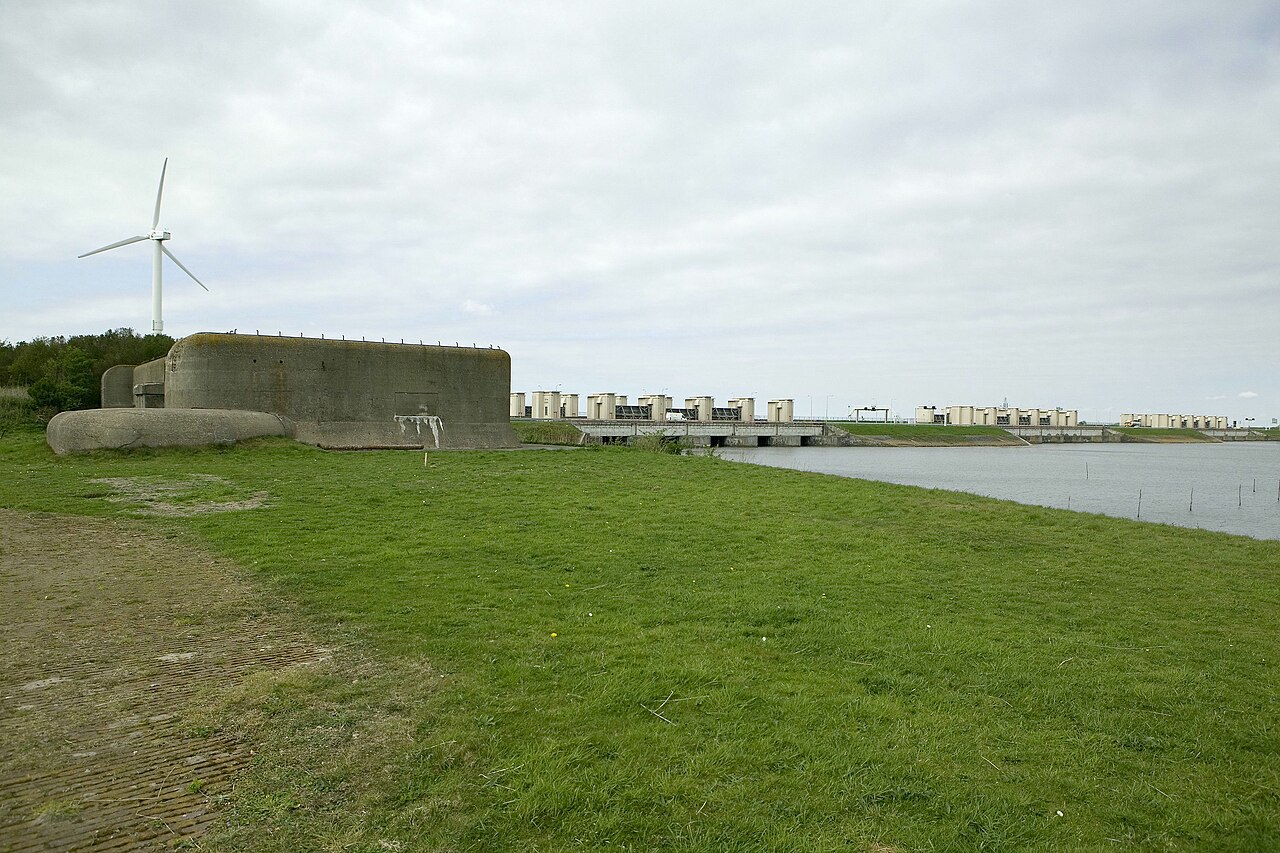
Casemate at the Den Oever defensive position near the Stevin locks

Photo: Paul van Galen

Credit: Photo: Paul van Galen. Source: Rijksdienst voor het Cultureel Erfgoed, via Wikimedia Commons, CC BY-SA 4.0

Licence: CC BY-SA 4.0

Changes: No changes.

Source ↗

Almost forgotten

Casemates near Den Oever

Hollands Kroon

At the North Holland end of the Afsluitdijk, low concrete casemates lie around the Stevin locks. They recall that the dike did not only have to hold back water, but also created a new military passage between North Holland and Friesland. That double meaning is still visible in concrete, embankments and sightlines.

View this place
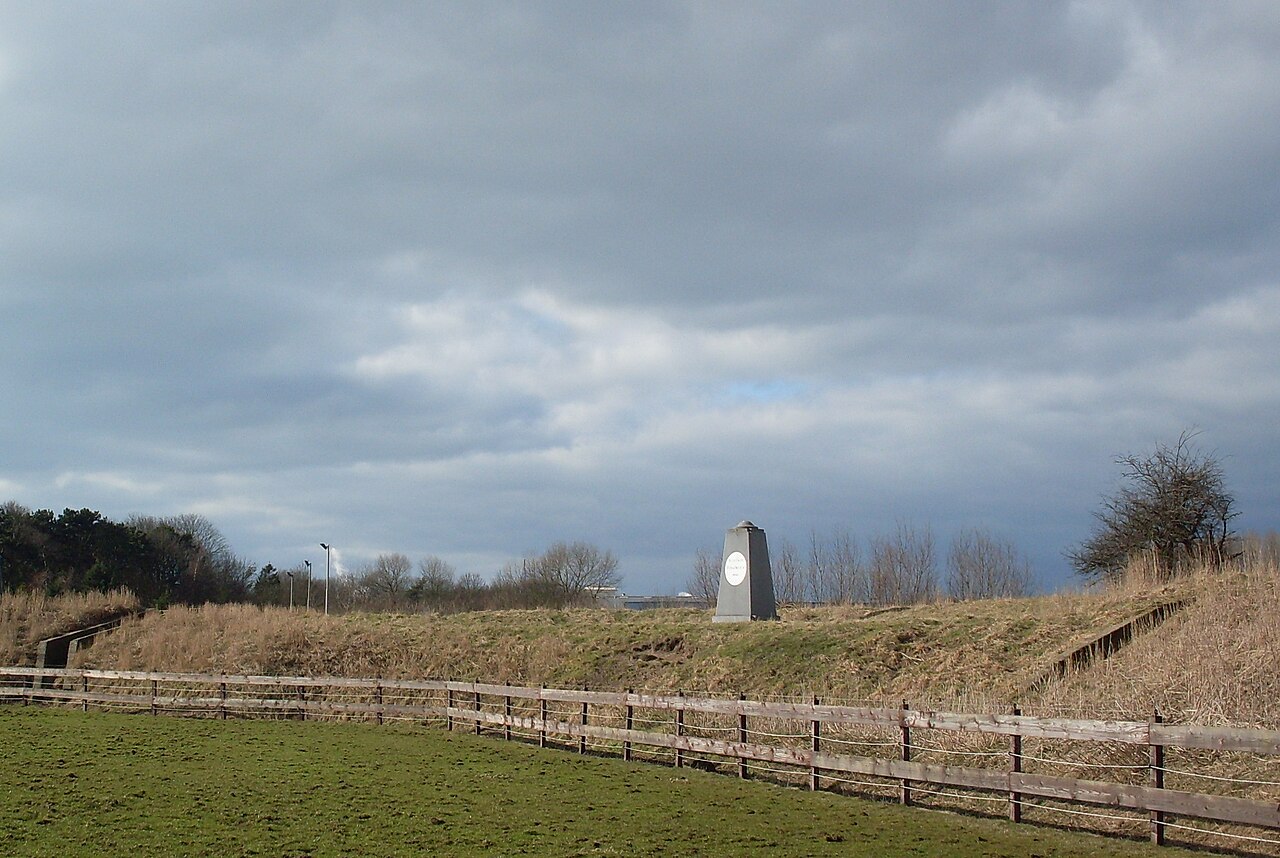
Obelisk on a lunette of the Beverwijk Defence Line

Photo: Marcelmulder68

Credit: Photo: Marcelmulder68, via Wikimedia Commons, CC BY-SA 3.0 NL

Licence: CC BY-SA 3.0 NL

Changes: No changes.

Source ↗

Almost forgotten

Beverwijk Defence Line

Beverwijk

On the northern edge of Beverwijk lies an almost hidden defensive landscape dating from 1800. Low earthen lunettes, a memorial obelisk and subtle differences in height recall Holland’s hurried defence after the Anglo-Russian invasion of 1799. You have to look carefully, and that is exactly what makes the Beverwijk Defence Line feel like a forgotten military layer between town, dunes and industry.

View this place
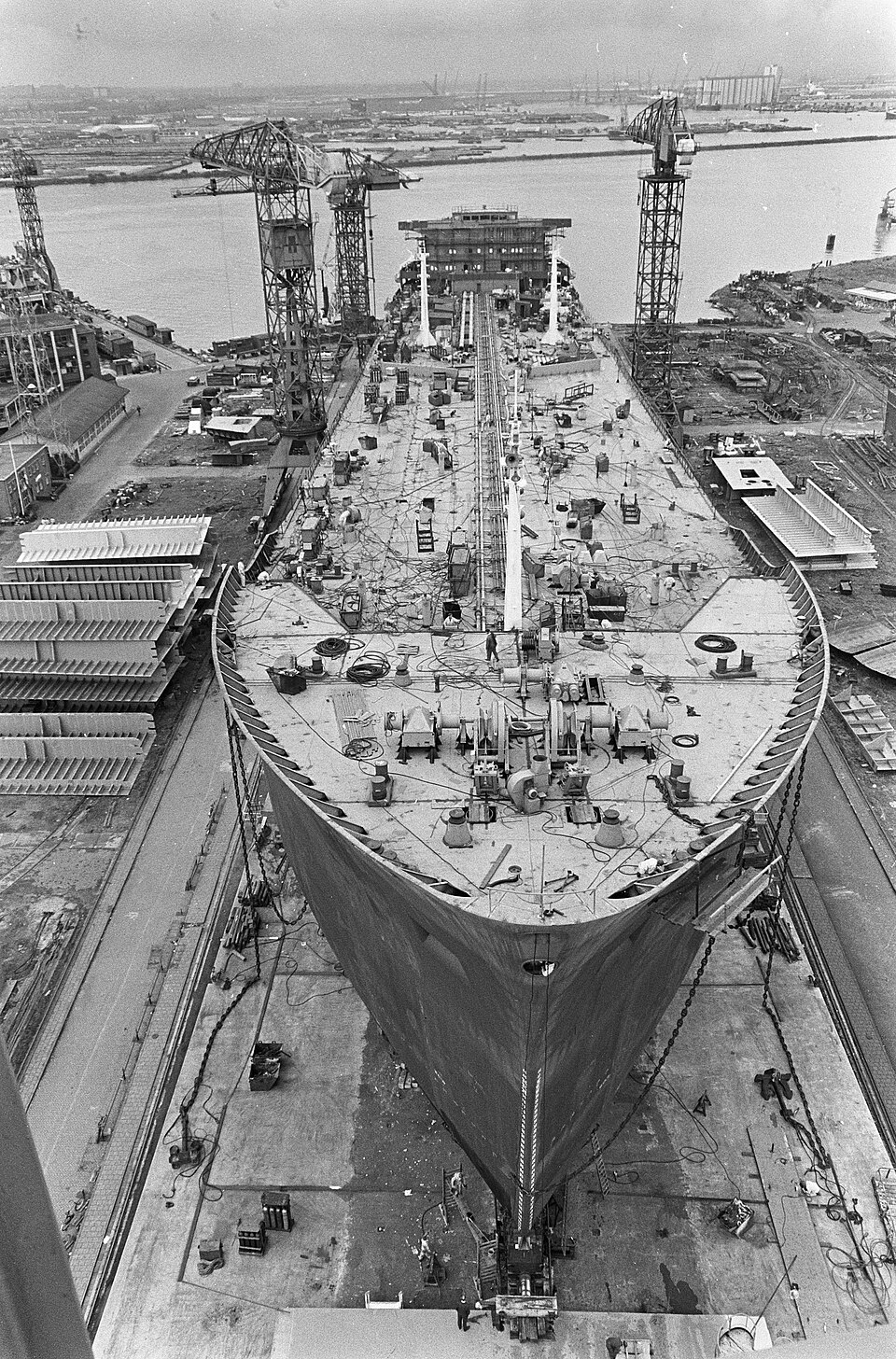
Motor tanker Dione on slipway 5 at the NDSM shipyard in September 1966

Photo: Unknown photographer / Anefo

Credit: Anefo Photo Collection, Dutch National Archives, via Wikimedia Commons, CC0 1.0

Licence: CC0 1.0

Changes: No changes.

Source ↗

Almost forgotten

NDSM shipyard and vanished shipbuilding

Amsterdam

On the IJ lies a site where thousands of people once worked simultaneously on ocean-going ships. The vast hall, slipways, crane and open spaces still preserve the scale of the NDSM shipyard, but production, specialist teams and daily bustle have vanished. Between art, hospitality and new development, the industrial past remains visible.

View this place

Almost forgotten

Old General Cemetery of Huizen

Huizen

On the edge of old Huizen lies a cemetery where the absence of grand memorials is precisely what stands out. Cast-iron number markers, simple burial fields and a restrained layout preserve the funerary culture of a Protestant fishing village. The lack of richly decorated graves reveals a surprising amount about the history of Huizen.

View this place
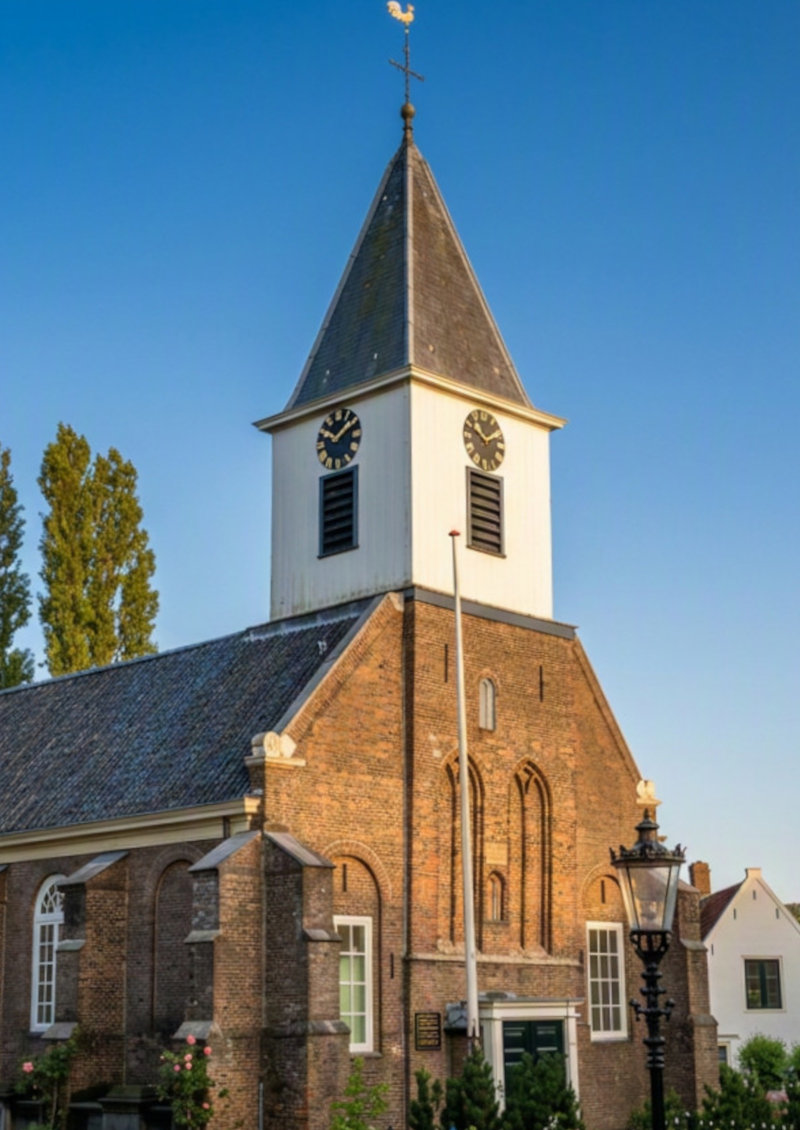
Petrus Church in Old Sloterdijk, between old village buildings and the modern city

Photo: Willem Reinier de Jong

Credit: Photo: Willem Reinier de Jong

Changes: No changes.

Almost forgotten

Petrus Church and Old Sloterdijk

Amsterdam

Between railway lines, motorway, offices and high-rise buildings, an unexpected remnant of the old village of Sloterdijk survives around the Petrus Church. The church, churchyard, dike and a few houses form a historic island in the modern city. The place is small, but the contrast is powerful: here you sense how a medieval village core was almost swallowed up and yet survived.

View this place
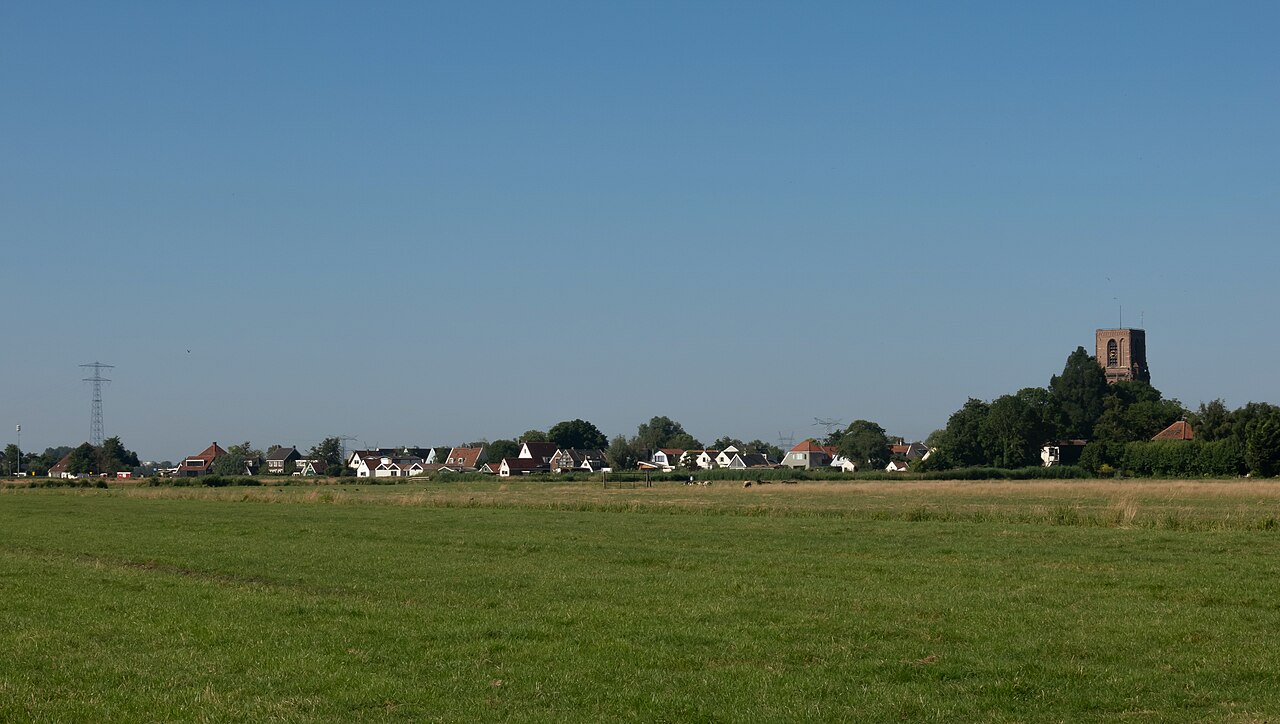
Village view of Ransdorp with the blunt church tower in the flat Waterland landscape

Photo: Michielverbeek

Credit: Photo: Michielverbeek, via Wikimedia Commons, CC BY-SA 4.0

Licence: CC BY-SA 4.0

Changes: No changes.

Source ↗

Almost forgotten

Ransdorp Church and Tower

Amsterdam

In the middle of flat Waterland, Ransdorp’s blunt tower stands as the remnant of a village that was once far more important than its quiet village street now suggests. The church site dates back to the Middle Ages, the unfinished late Gothic tower was built in the early sixteenth century and the old town hall still stands opposite it. Together, church, tower, churchyard and village ribbon preserve the memory of a Waterland centre of government, shipping, faith and village life.

View this place
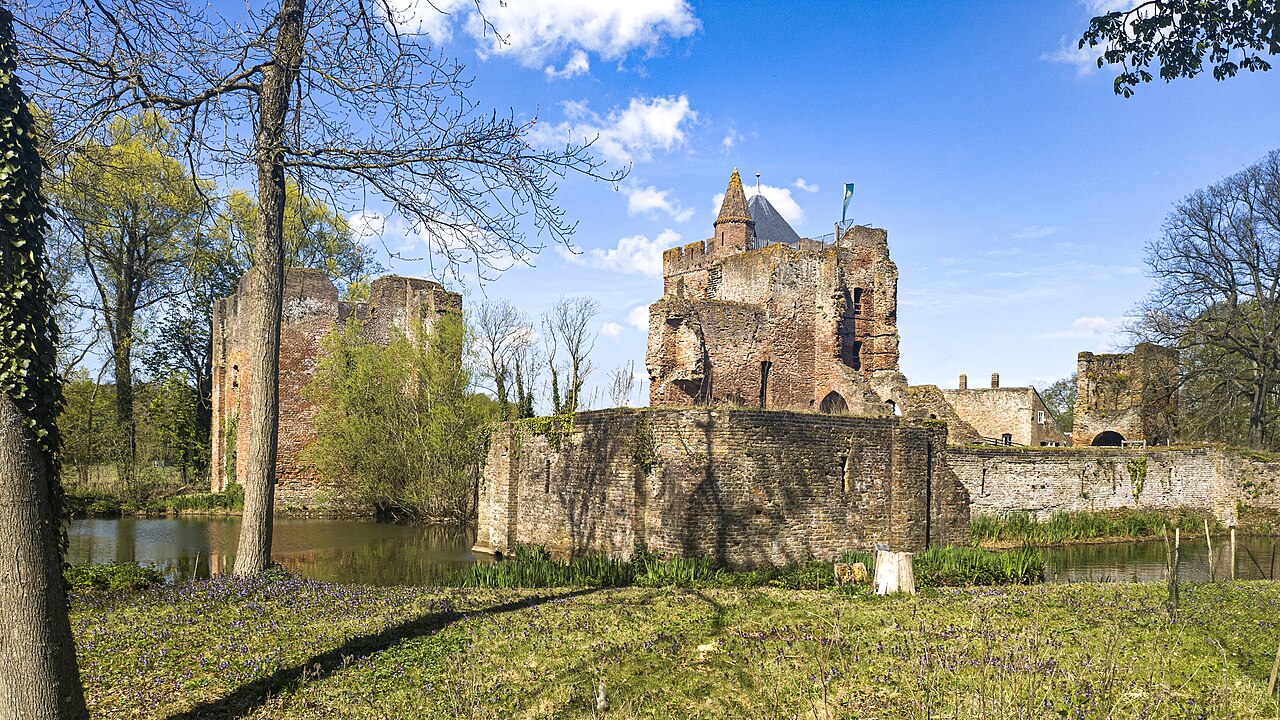
Brederode Ruins near Santpoort-Zuid with walls, towers and the interior space of the medieval castle

Photo: Raimond Spekking

Credit: © Raimond Spekking / CC BY-SA 4.0, via Wikimedia Commons

Licence: CC BY-SA 4.0

Changes: No changes.

Source ↗

Almost forgotten

Brederode Ruins

Velsen

At the edge of Santpoort-Zuid stand the broken-open remains of Brederode Castle. Walls, towers, moats and courtyards recall a noble power that once weighed heavily on Kennemerland. The castle was built in the thirteenth century, declined through war, plunder and fire and later lay partly hidden beneath drifting sand for centuries. Among the stones you see not only ruins, but also a vanished world of property, conflict and authority.

View this place
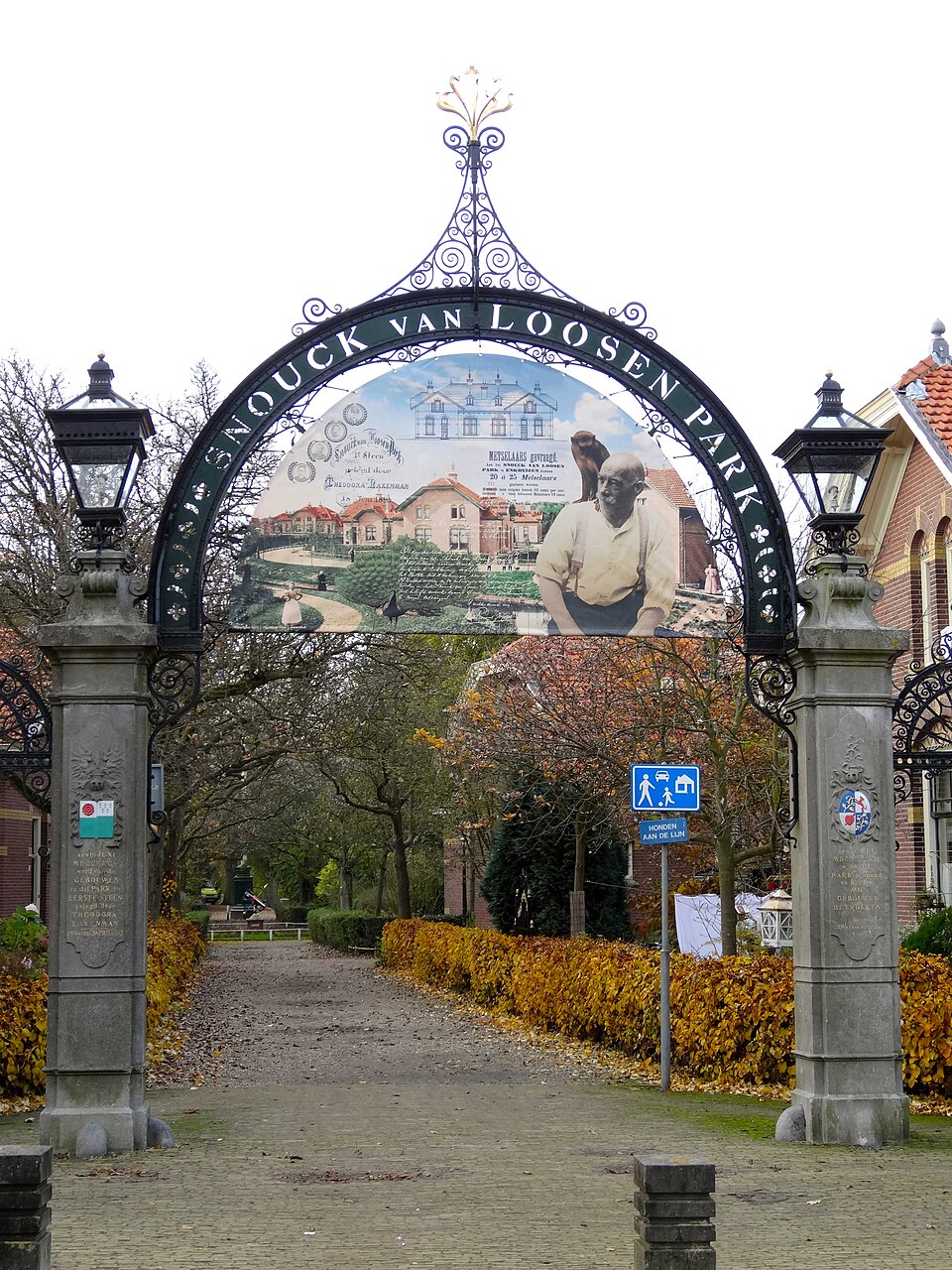
Entrance gate of Snouck van Loosenpark in Enkhuizen

Photo: Gouwenaar

Credit: Photo: Gouwenaar, via Wikimedia Commons, CC0 1.0

Licence: CC0 1.0

Changes: No changes.

Source ↗

Almost forgotten

Snouck van Loosenpark

Enkhuizen

On the edge of Enkhuizen’s old town lies a green residential park built between 1895 and 1897 for working-class families. Behind the elegant entrance and almost village-like homes lies an early experiment in social housing, health, supervision and moral selection.

View this place
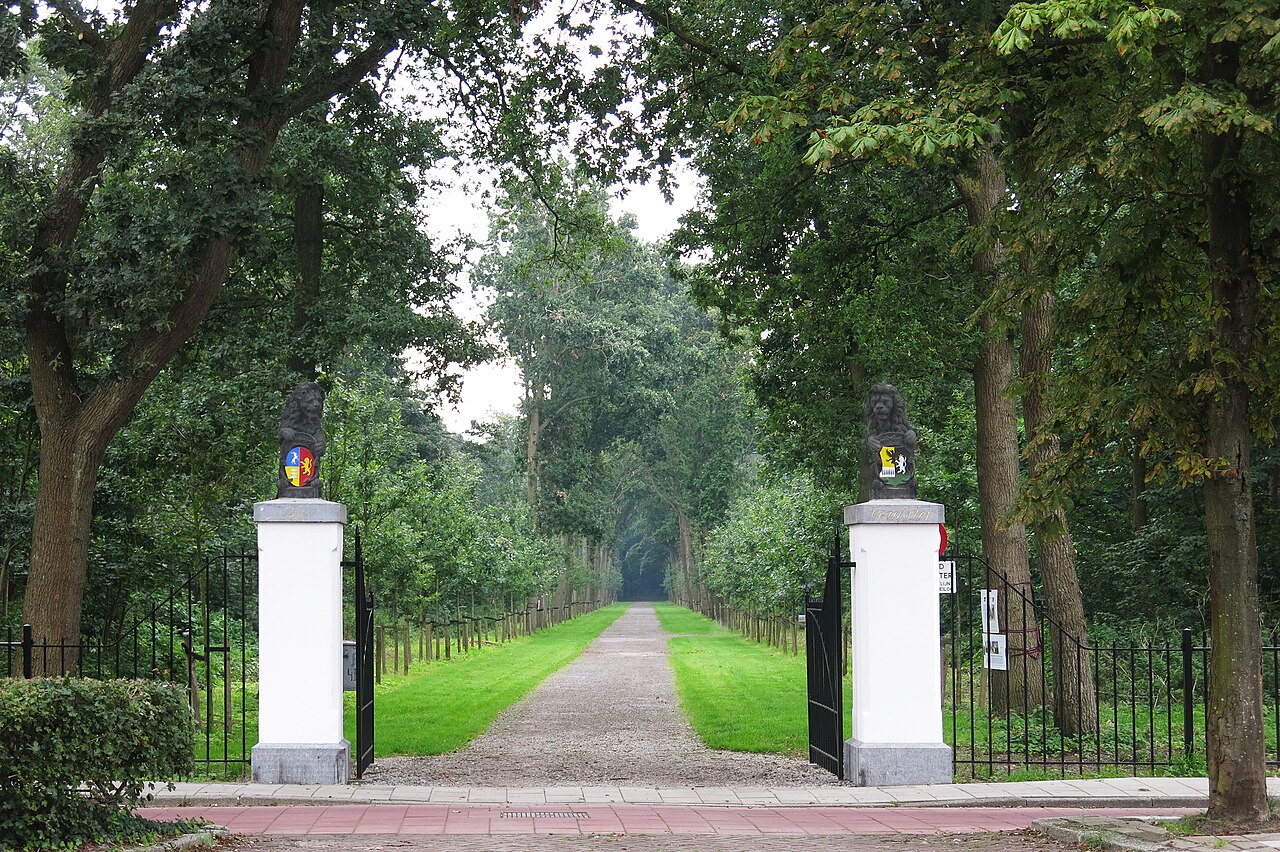
The avenue of Ter Coulster Estate in Heiloo with the monumental gateposts and tree-lined drive

Photo: Bart van der Feen de Lille

Credit: Photo: Bart van der Feen de Lille, via Wikimedia Commons, CC BY-SA 4.0

Licence: CC BY-SA 4.0

Changes: No changes.

Source ↗

Almost forgotten

Ter Coulster, Heiloo

Heiloo

In the heart of Heiloo lies an old estate where the vanished Ter Coulster castle still shows through in the landscape. The avenue, gateposts with lions, old water lines and terrain edges preserve the outline of the former castle site. Those who look carefully can still see how the vanished house survives in the greenery.

View this place
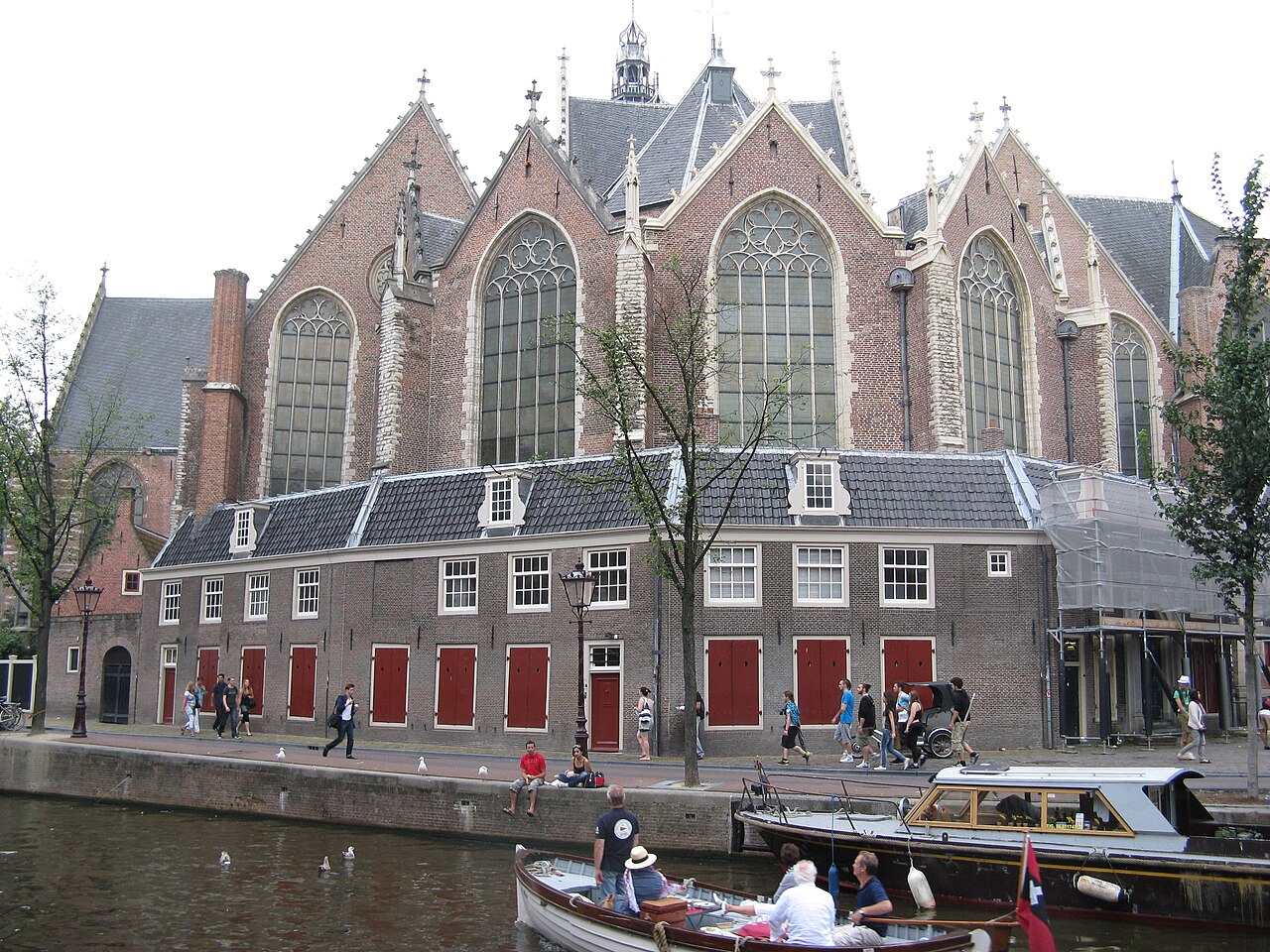
The Oude Kerk on Oudekerksplein in Amsterdam, seen from the outside

Photo: Yair Haklai

Credit: Photo: Yair Haklai, via Wikimedia Commons, CC BY-SA 4.0

Licence: CC BY-SA 4.0

Changes: No changes.

Source ↗

Almost forgotten

Vanished burial ground on Oudekerksplein

Amsterdam

In the middle of the busy Red Light District lies a square that was once a burial ground. For centuries, Amsterdam residents were buried around the Oude Kerk, yet almost nothing of that cemetery remains visible outside. Only the church, the shape of the square and knowledge of what once lay here reveal its hidden meaning.

View this place
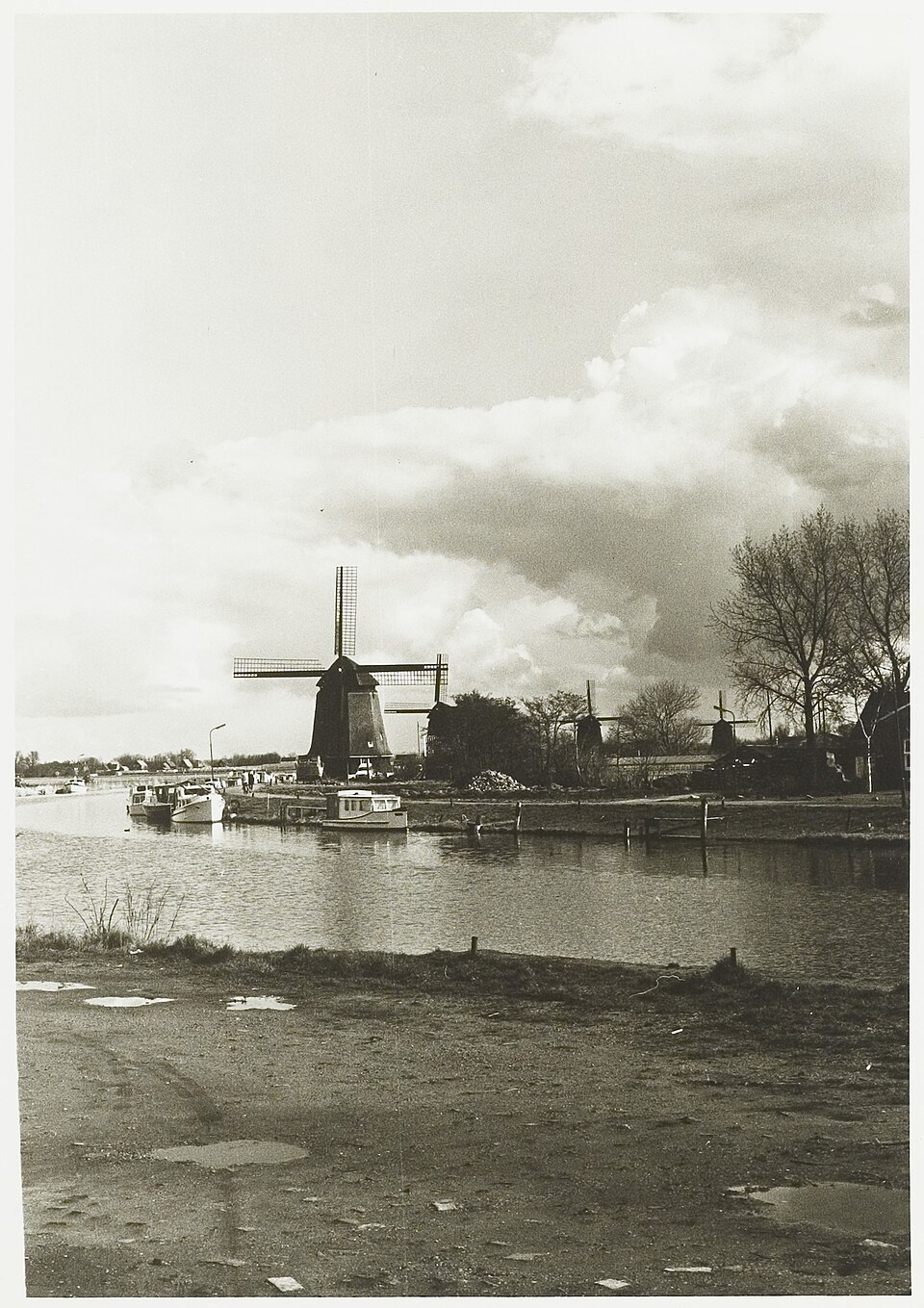
The Oudorperpolder near Alkmaar with the Zeswielen mills, meadows and water

Photo: Joop Elsinga

Credit: Photo: Joop Elsinga, collection Regional Archive Alkmaar, via Wikimedia Commons, CC0 1.0

Licence: CC0 1.0

Changes: No changes.

Source ↗

Almost forgotten

The Vanished Castles of the Oudorperpolder

Alkmaar

In the Oudorperpolder near Alkmaar, the remains of two medieval castles lie almost entirely beneath the grass. Nieuwburg and Middelburg were once powerful strongholds in the struggle between Holland and West Friesland. Today, terrain lines, water and marked outlines mainly reveal where that world of power once stood.

View this place

From function to memory

Many almost forgotten places were once entirely ordinary parts of daily life. A dike store belonged to everyday water management, a bunker to military readiness and a cemetery to the village community. When the function disappeared, the place itself also lost visibility.

Buildings, routes and landforms often remain, however. They make it possible to reconstruct how the surroundings once worked. The transition from active use to memory is therefore part of the story itself.

A quieter way to explore

Visit these places without rushing. Read beforehand why they mattered and look for visible traces when you arrive. The reward often lies in a detail that only becomes noticeable after a few minutes: a wall anchor, an old tree, an unusual bend or a change in paving.

Because some locations are vulnerable or still in use, restraint matters more than access to every corner. Respect private land, cemeteries and nature reserves. Here, careful observation reveals more than hurried photography.

Examples include the Beverwijk Defence Line, the Stump Tower of Spaarnwoude, the Hembrug site, the casemates near Den Oever, Duin en Bosch and the NDSM shipyard. Their original function is not always immediately visible, but the surviving traces open up a much larger story.

More to discover

Explore the other themes too

Looking for more unusual places in North Holland? Discover vanished villages, sacred places, old waterworks, remarkable nature and other historic locations across the province.