Skip to content
The Netherlands Beneath Your Feet

Something old to see

Old and historic places in North Holland

Old does not only mean monumental or perfectly preserved here. Across North Holland, traces of the past survive in castles, forts and historic buildings, but also in prehistoric fields, centuries-old dykes and landscapes shaped long before our time. The selected places can be visited or seen from public space. This page brings together historic places where walls, soil traces, changes in elevation, old routes and later reuse show how people shaped the landscape through the centuries.

See the historic places ↓

Age you can actually see

An old place only becomes meaningful when you understand what you are looking at. Masonry can reveal different building phases, changes in height can mark former earthworks and an irregular street pattern may go back to a vanished settlement. A wall may carry traces of blocked openings, fire, extension or repair.

This page brings together such tangible clues. Not every trace is spectacular, but each one connects today’s landscape with people who walked, worked, traded or defended themselves here long before us. A small detail can therefore be more valuable than a fully reconstructed setting.

From archaeology to living monument

Some places are ruins or archaeological sites. Other buildings are still in daily use. That variety shows that heritage is not a sealed-off past. The layers of time range from prehistoric farming traces and medieval places of power to nineteenth-century fortifications. A castle may later become a residence, museum or ruin, and a fort may acquire a new purpose.

So do not look only at the oldest layer. Alterations, reuse and restoration show how successive generations dealt with a place. A modern entrance or new roof does not make a building less historic; it may show why it survived.

How these places were chosen

The selection focuses on places where age can still be read on site. That may be a complete building, but also a foundation, earthwork, dyke, field pattern or difference in height. An old story alone is not enough: something connected with that past must still be visible outside or in an accessible building.

The locations span different periods and types of heritage. The prehistoric field systems on the Hoorneboegse Heide, Radboud Castle, the Westfriese Omringdijk, Fort near Edam and the Oost-Indisch Huis together show that heritage includes far more than castles.

Why old does not mean perfectly preserved

A restored castle, a half-vanished stronghold and a barely visible soil trace can all be valuable. The condition in which something survived often tells part of the history itself. Destruction, flooding, rebuilding and changes of use leave traces that a completely intact building cannot show.

This theme is therefore not about identifying the oldest place. It is about places where different layers of time meet and where material, form and location reveal how people used the landscape.

Old places in different landscapes

Historic North Holland is not confined to old town centres. Polders, heathland, dykes and islands also preserve very old structures. De Hoge Berg on Texel took shape during the penultimate glacial period, the field systems near Hilversum point to early farming and the Westfriese Omringdijk shows centuries of water management.

Looking at buildings and landscapes side by side makes clear that history does not only live in walls. Sometimes a road, elevation, field pattern or sightline is the oldest and most defining part of a place.

Old places where the past is still visible

De Hoge Berg on Texel with rolling grasslands and its characteristic ancient cultural landscape.

Photo: Txllxt TxllxT

Credit: Photo: Txllxt TxllxT, via Wikimedia Commons, CC BY-SA 4.0

Licence: CC BY-SA 4.0

Changes: No changes.

Source ↗

Something old to see

De Hoge Berg on Texel

Texel

De Hoge Berg forms one of the oldest and highest parts of Texel. This gently rolling landscape between Den Burg and Oudeschild is not a dune, but an old boulder-clay rise from the Ice Age. Turf walls, sheep barns, drinking ponds, old farms and open grassland show how geology, agriculture and island history come together here in one landscape.

View this place
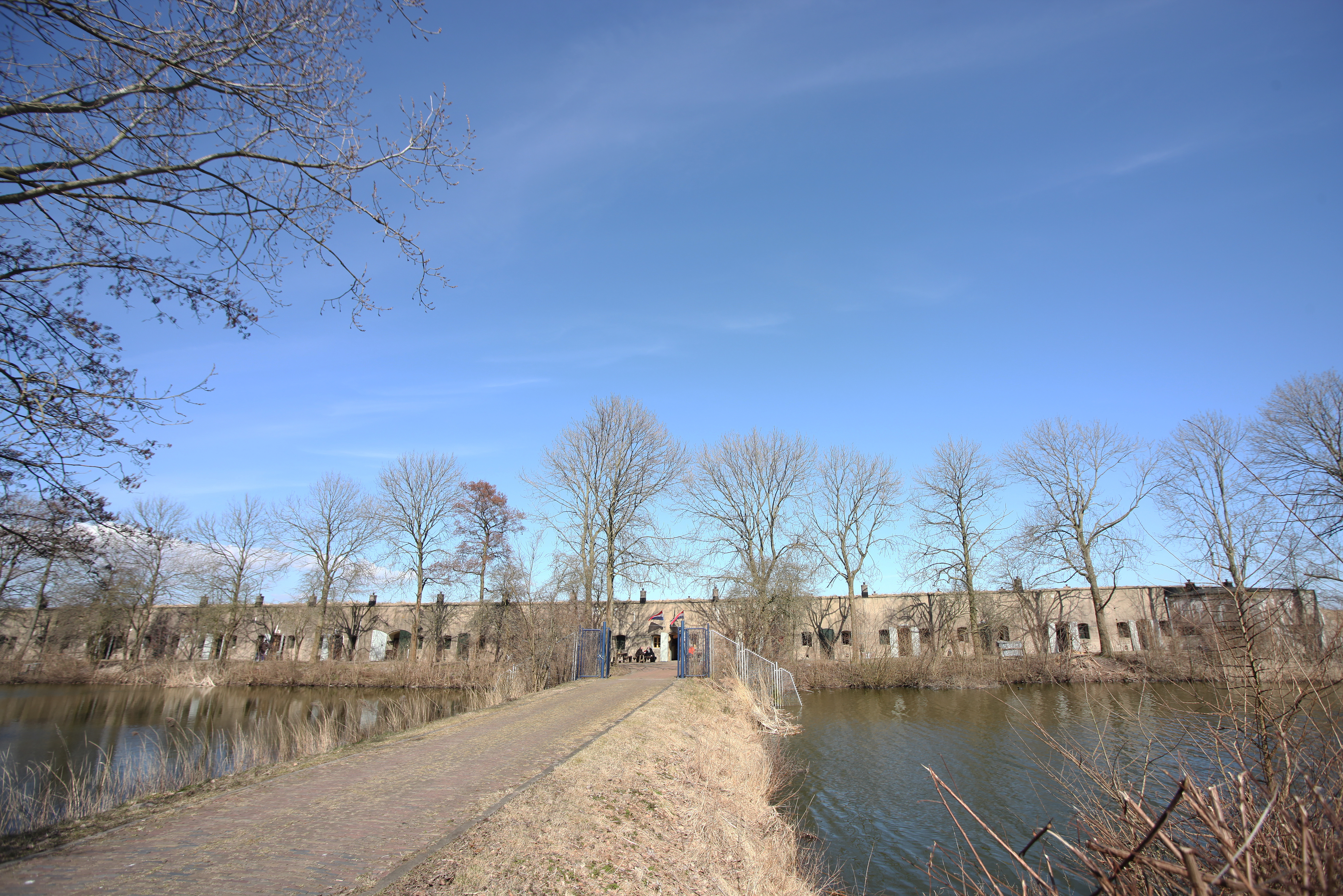
Fort near Edam with earth-covered buildings, grass and the open fort grounds.

Photo: Kenneth Stamp / Hippolytushoef

Credit: Photo: Kenneth Stamp / Hippolytushoef, commissioned by the Province of North Holland, via Wikimedia Commons, CC BY 2.0

Licence: CC BY 2.0

Changes: Cropped and optimised for web use.

Source ↗

Something old to see

Fort near Edam

Edam-Volendam

Fort near Edam stands by the Edam sea lock, between the old Zuiderzee dyke and the Zeevang polder. As a northern link in the Defence Line of Amsterdam, the fort guarded one of the dry approaches towards the capital. Its moat, earth cover, concrete and open polder landscape still show clearly how water and military engineering formed a single defensive landscape.

View this place
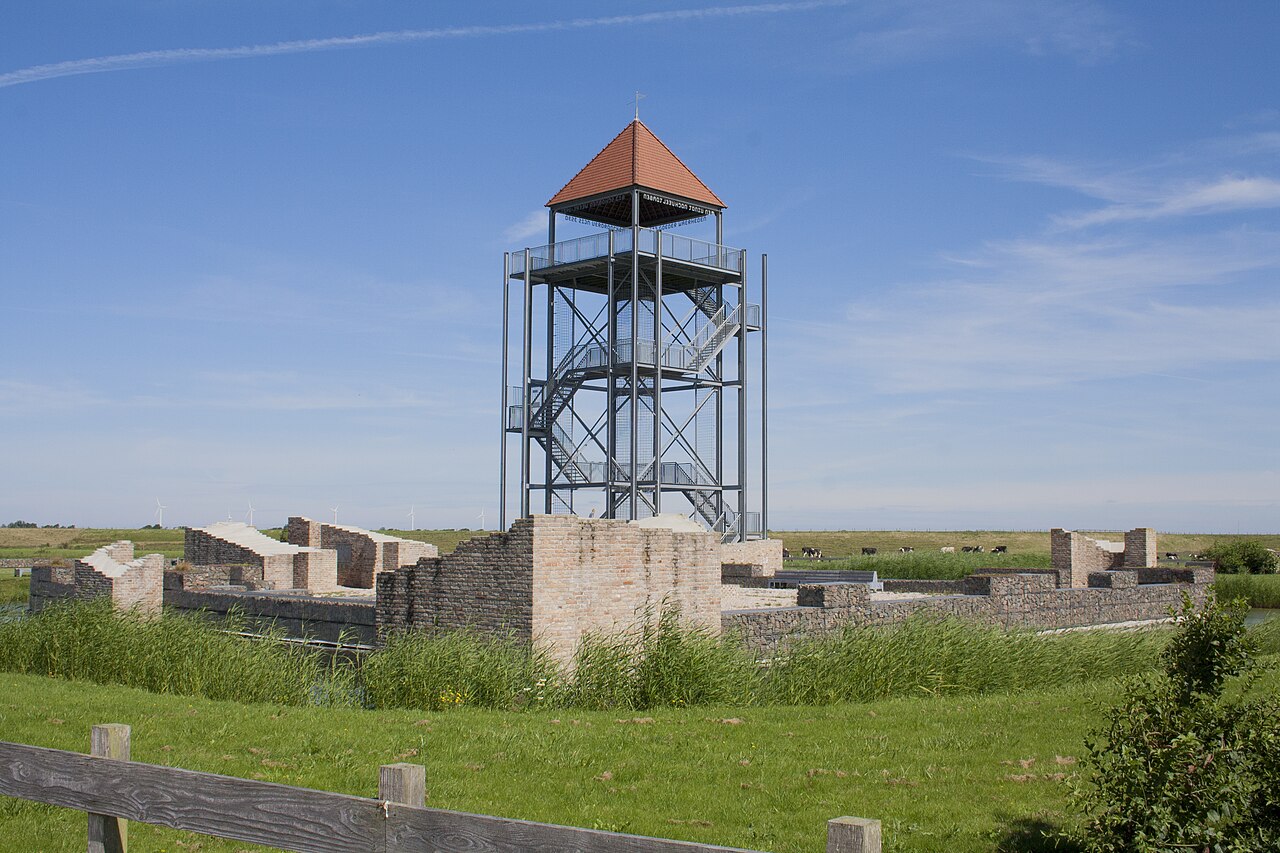
Nuwendoorn Castle near Krabbendam with visible wall remains and a modern lookout tower.

Photo: EdwinH

Credit: Photo: EdwinH, via Wikimedia Commons, CC BY-SA 4.0

Licence: CC BY-SA 4.0

Changes: No changes.

Source ↗

Something old to see

Nuwendoorn Castle

Schagen

Near Krabbendam lie the clearly marked remains of Nuwendoorn Castle, a medieval stronghold associated with Count Floris V. Wall outlines, traces of the moat, open polder landscape and a modern tower show how Holland’s authority was fixed here in stone and sightlines. The castle vanished from view for centuries, until large medieval bricks revealed the hidden place of power again in 1948.

View this place
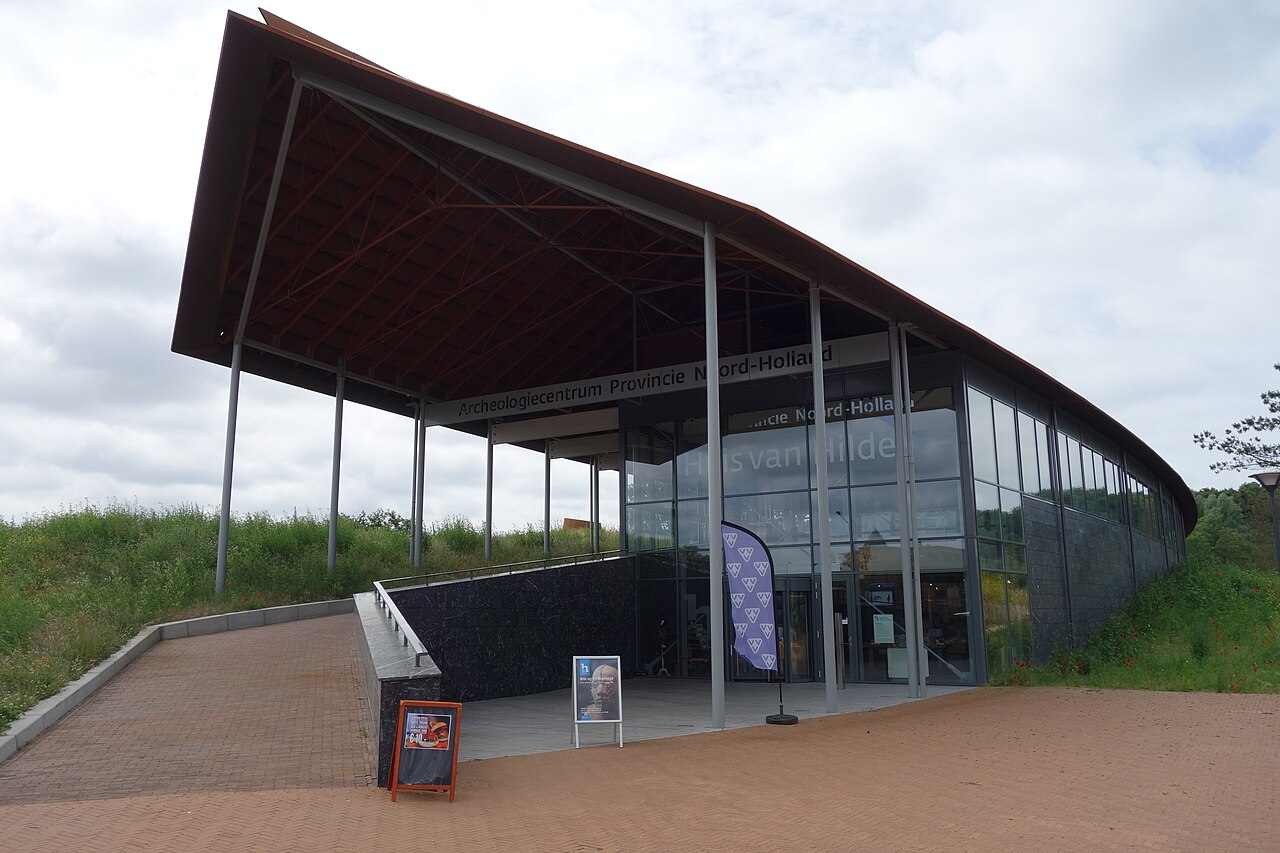
Hilde’s House in Castricum, the archaeology centre of North Holland.

Photo: Dqfn13

Credit: Photo: Dqfn13, via Wikimedia Commons, CC BY-SA 4.0

Licence: CC BY-SA 4.0

Changes: No changes.

Source ↗

Something old to see

House of Hilde

Castricum

Beside Castricum station, House of Hilde brings together thousands of years of North Holland’s history. Finds from the soil and reconstructed inhabitants show how people lived, worked and adapted to a landscape of dunes, peat, clay and water.

View this place
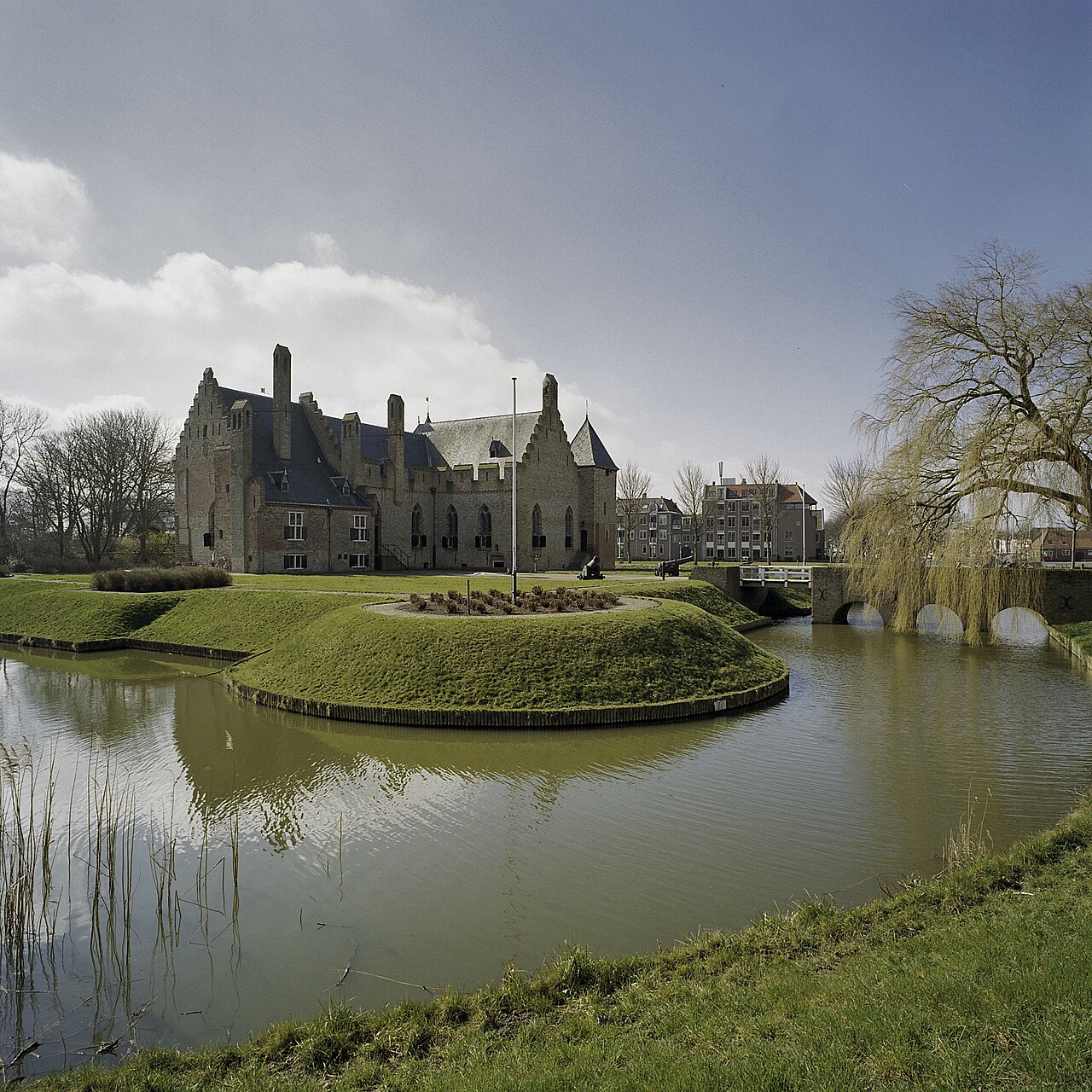
Radboud Castle in Medemblik with brick towers, moat and entrance bridge.

Photo: IJsbrand Heins

Credit: Photo: IJsbrand Heins. Source: Rijksdienst voor het Cultureel Erfgoed, via Wikimedia Commons, CC BY-SA 4.0

Licence: CC BY-SA 4.0

Changes: No changes.

Source ↗

Something old to see

Radboud Castle

Medemblik

On the edge of Medemblik stands the only clearly preserved castle built by Count Floris V to enforce his authority in West Friesland. Radboud Castle tells not only of medieval power and resistance, but also of restoration, memory and the way we imagine the Middle Ages.

View this place
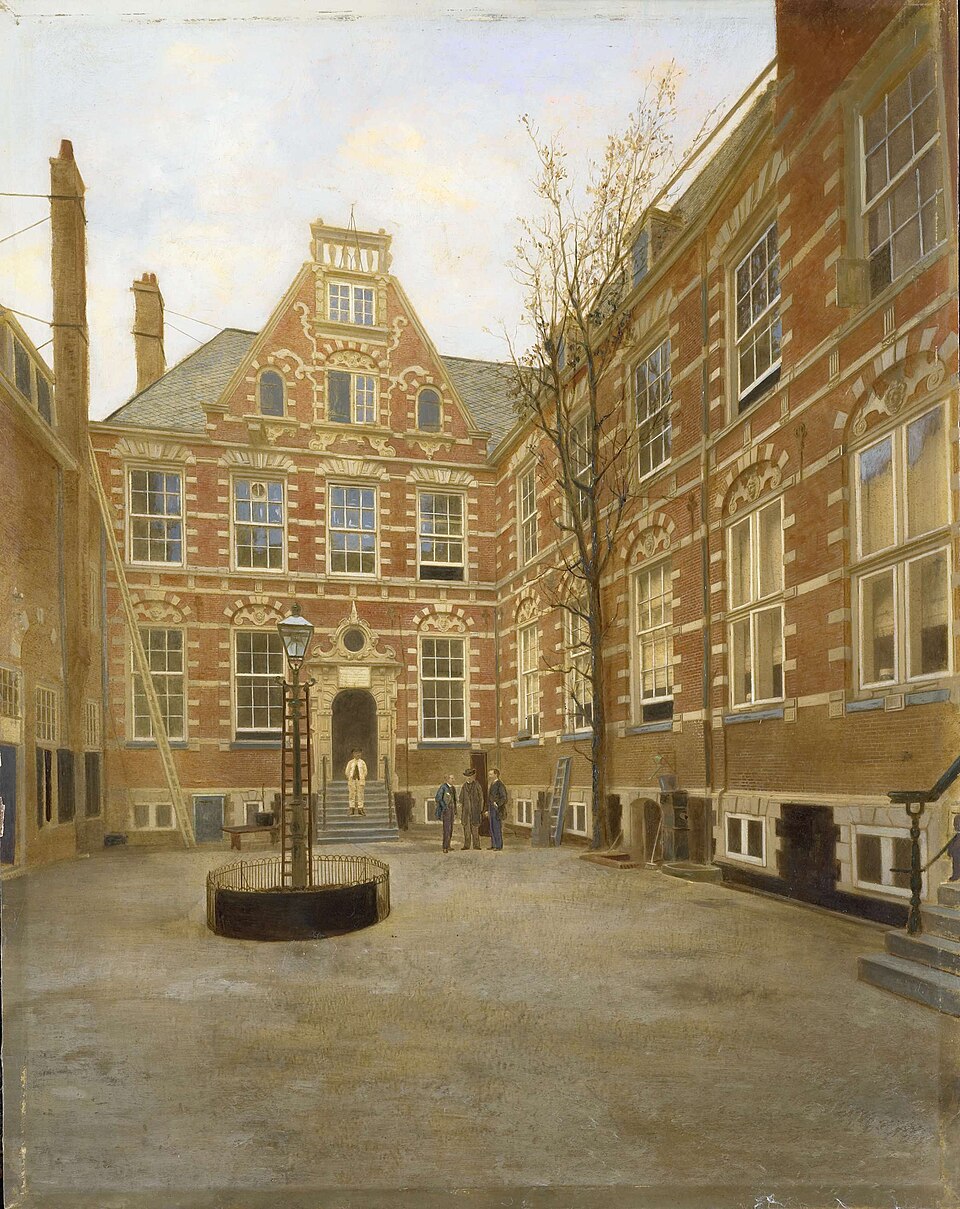
Painted courtyard of the Oost-Indisch Huis in Amsterdam, seen in the nineteenth century.

Photo: Unknown artist

Credit: Unknown artist, Courtyard of the Oost-Indisch Huis in Amsterdam, 1870–1880. Rijksmuseum, CC0 1.0

Licence: CC0 1.0

Changes: No changes.

Source ↗

Something old to see

The East India House and the Administration of the VOC

Amsterdam

Behind a sandstone gateway in the Oude Hoogstraat lies the former administrative centre of the Amsterdam chamber of the VOC. The seventeenth-century courtyard and wings still show the buildings from which trade, shipping and the worldwide VOC network were organised.

View this place
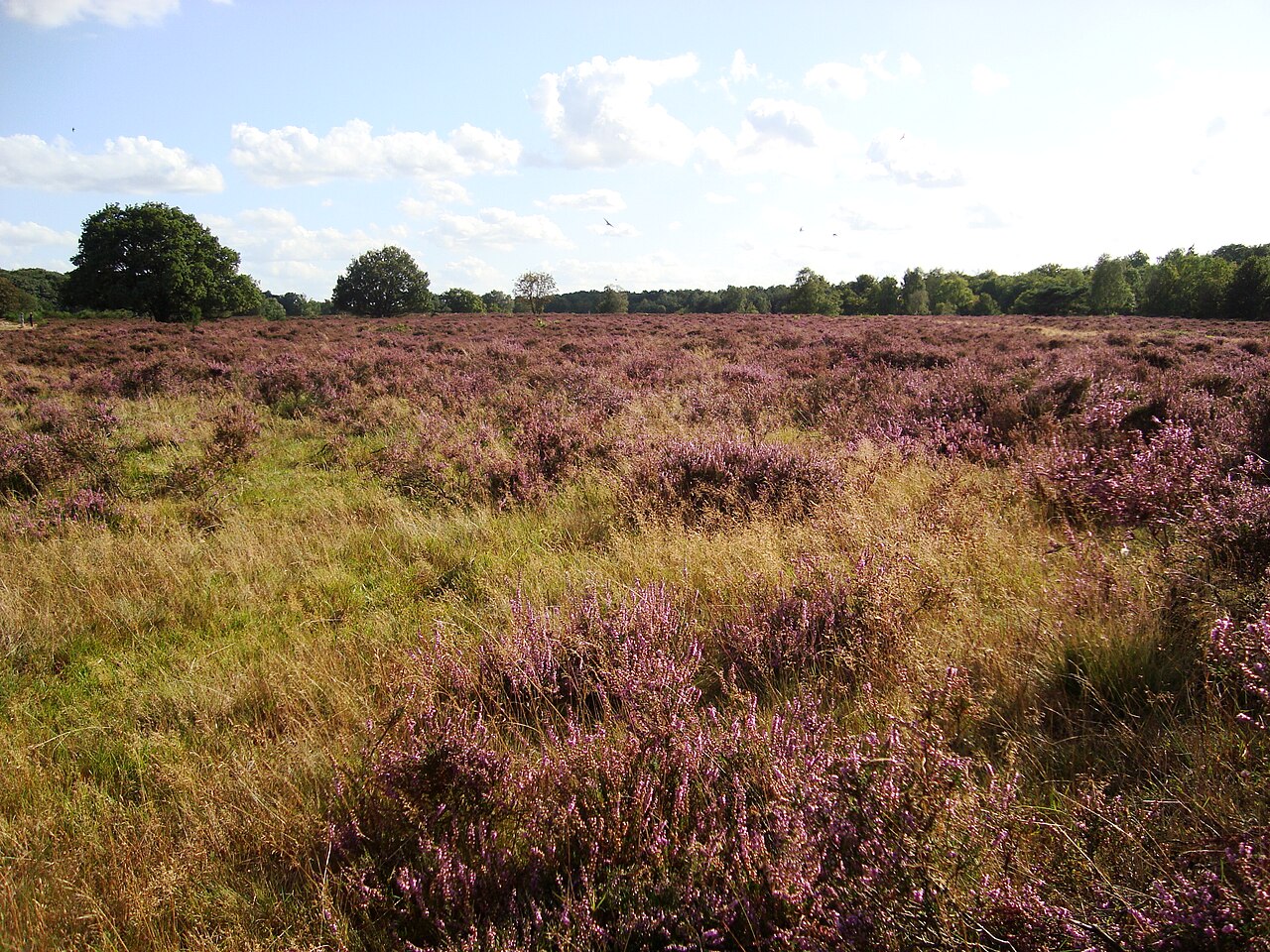
Hoorneboegse Heath near Hilversum with low vegetation and subtle differences in ground level.

Photo: Globe-trotter

Credit: Photo: Globe-trotter, via Wikimedia Commons, CC BY-SA 4.0

Licence: CC BY-SA 4.0

Changes: No changes.

Source ↗

Something old to see

Prehistoric Celtic fields on the Hoorneboegse Heath

Hilversum

On the Hoorneboegse Heath south of Hilversum, a prehistoric Celtic field complex lies hidden in the relief of the heathland. The low banks and square field patterns are not always clearly visible to the naked eye, but in height data and through careful looking an old agricultural landscape emerges. Here, the Gooi push moraine was already being used thousands of years ago for fields, grain, settlement and daily work.

View this place
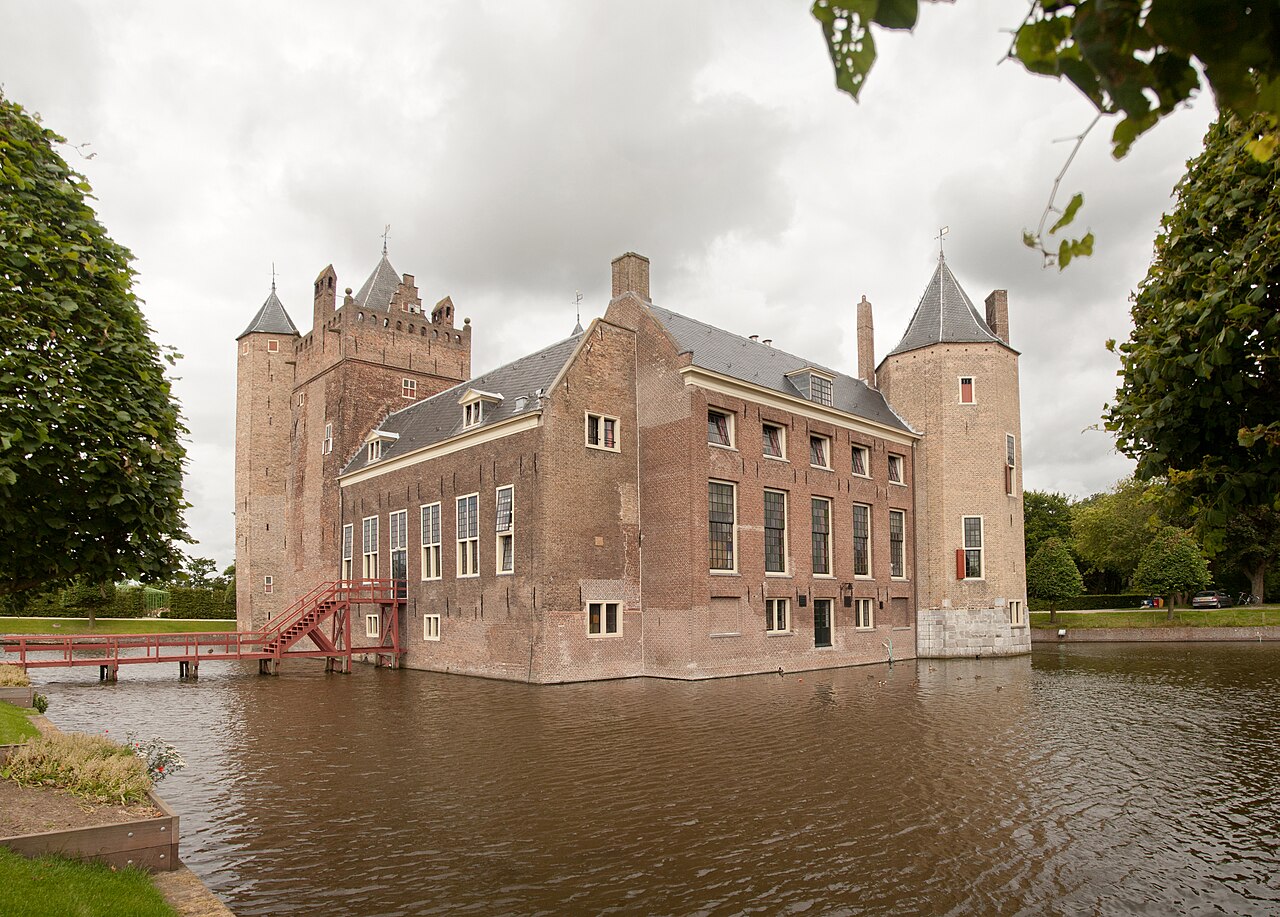
Assumburg Castle in Heemskerk, seen across the moat.

Photo: Johan Bakker

Credit: Photo: Johan Bakker, via Wikimedia Commons, CC BY-SA 3.0 NL

Licence: CC BY-SA 3.0 NL

Changes: No changes.

Source ↗

Something old to see

Assumburg Castle

Heemskerk

On the eastern edge of Heemskerk, Assumburg Castle stands behind a broad moat, with brick wings, towers, bridges and a formal garden. It looks like a defensible medieval stronghold, but the place mainly shows how a noble residence displayed its age, ownership and status. Water, enclosed architecture and garden together create one carefully constructed image of a castle.

View this place
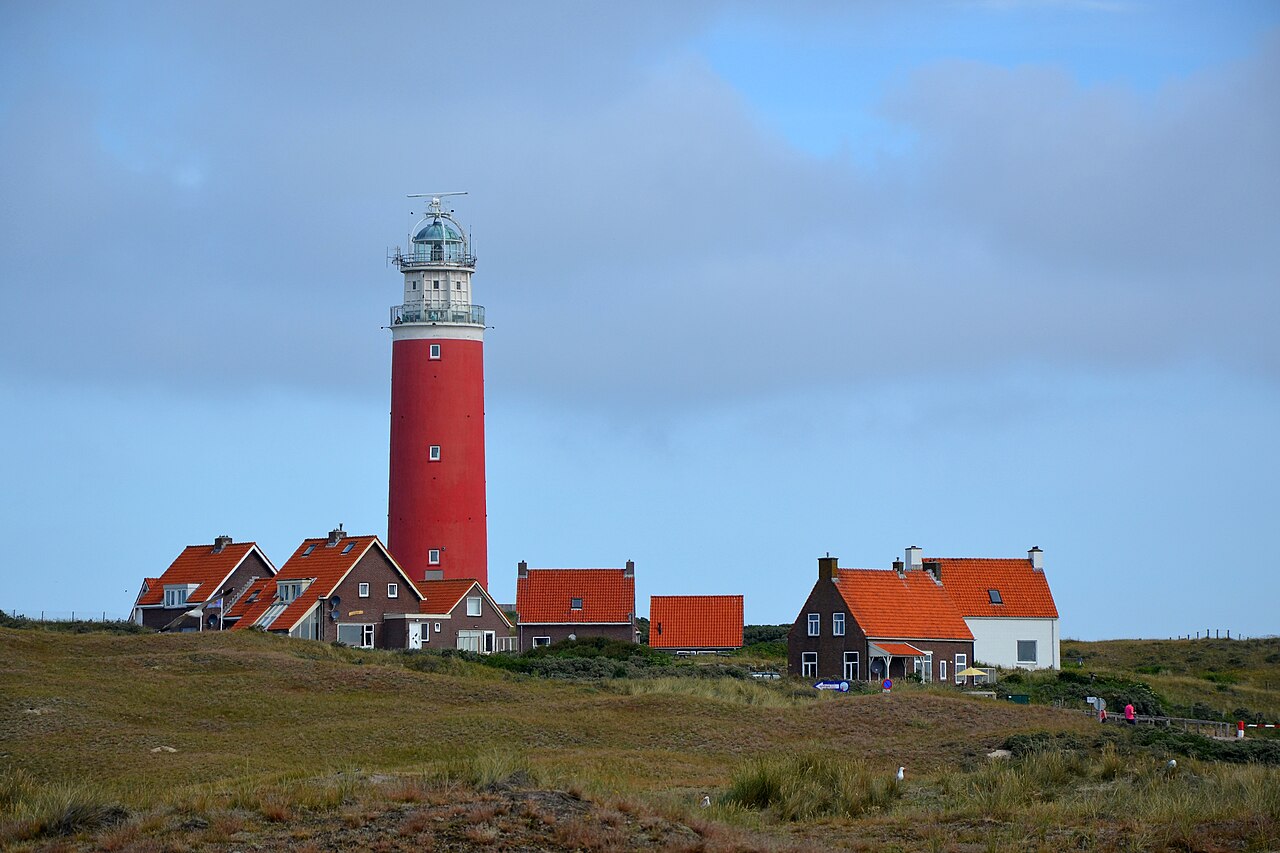
Eierland Lighthouse at the northern tip of Texel, seen from the surrounding dune landscape.

Photo: Alias 0591

Credit: Photo: Alias 0591, via Wikimedia Commons, CC BY 2.0

Licence: CC BY 2.0

Changes: No changes.

Source ↗

Something old to see

Eierland Lighthouse

Texel

At the northern tip of Texel, Eierland Lighthouse stands as a red beacon above dunes, beach and sea. The tower was built in 1863–1864 because the Eierlandse Gronden were notorious for shipwrecks and a dangerous dark gap remained around the island’s northern point. Behind its familiar appearance lies a layered history of nineteenth-century maritime safety, the years-long efforts of notary Kikkert, wartime damage from 1945 and a post-war outer shell around the battered original tower.

View this place
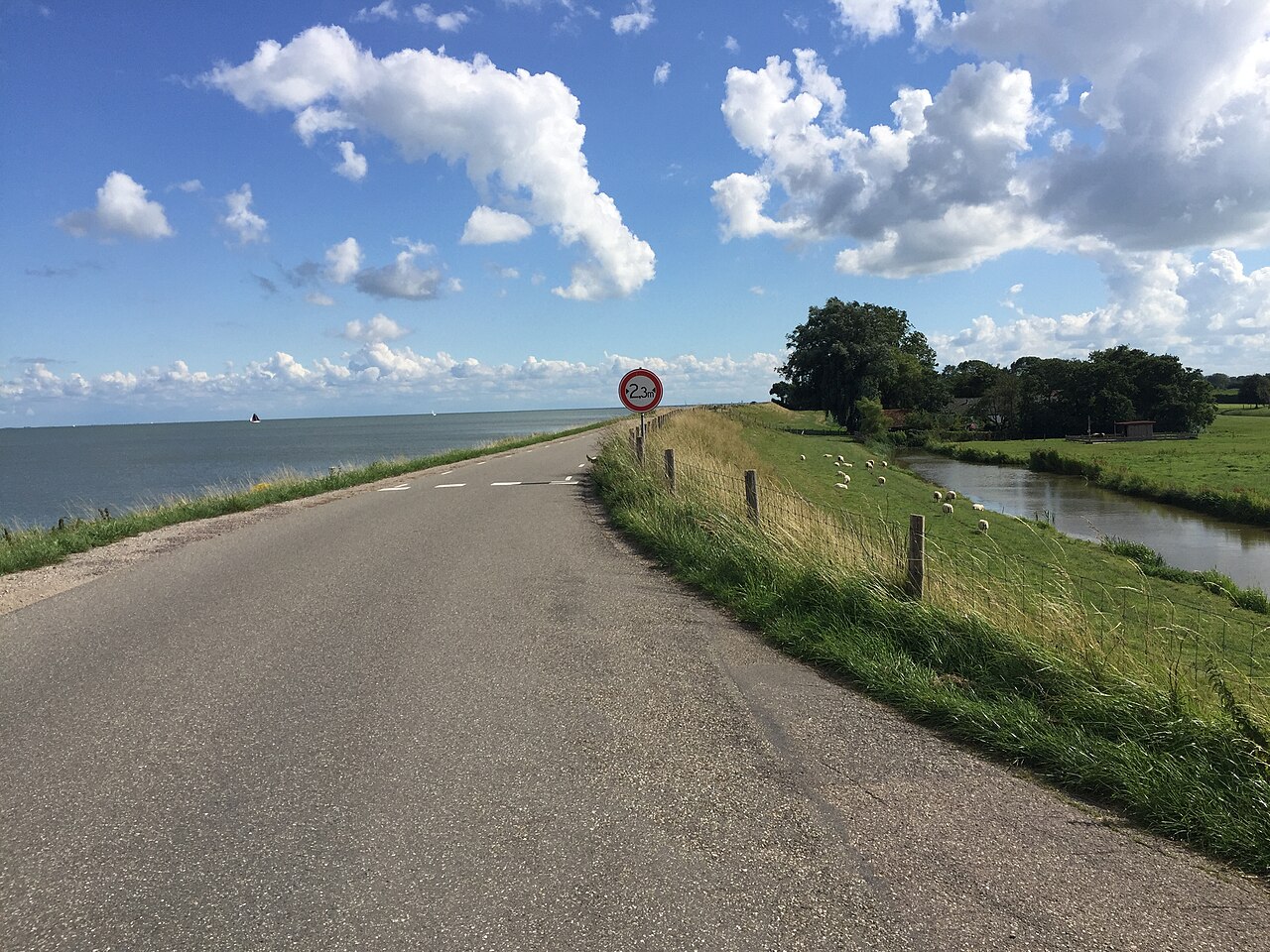
The West Frisian Ring Dyke with grassy dyke, road and open polder landscape.

Photo: Vysotsky

Credit: Photo: Vysotsky (Wikimedia), CC BY-SA 4.0

Licence: CC BY-SA 4.0

Changes: No changes.

Source ↗

Something old to see

West Frisian Ring Dyke

Koggenland

The West Frisian Ring Dyke is not a single dyke, but a landscape that has shaped where people could live, farm and survive for centuries. Over more than 126 kilometres, this historic ring connects villages, polders, old breach sites and former sea inlets. Here you can still see how West Friesland was protected, organised and shaped.

View this place
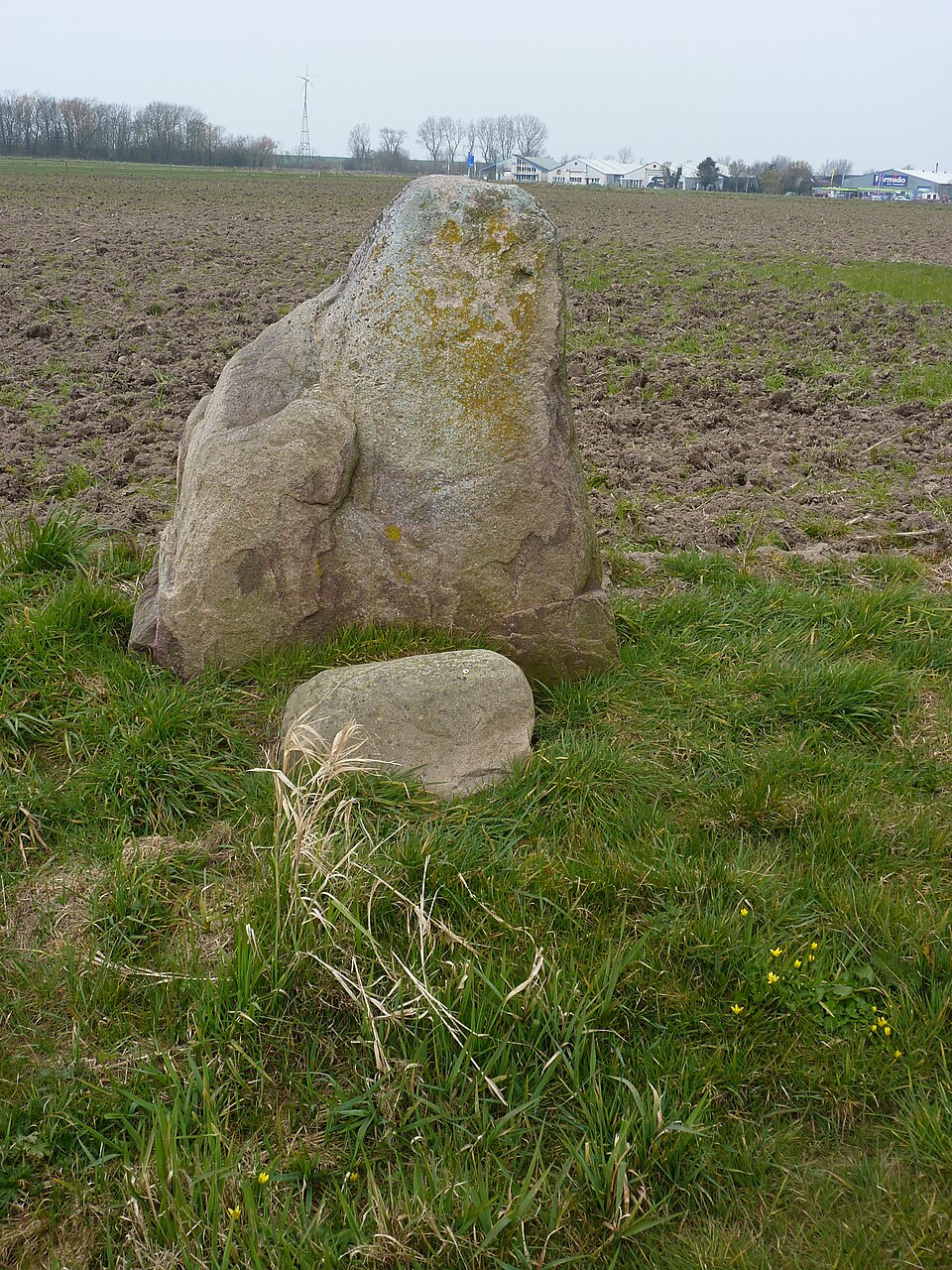
Large glacial erratic near Westerklief on Wieringen, marked as a geological monument.

Photo: Linktoevoeger

Credit: Photo: Linktoevoeger, via Wikimedia Commons, CC0 1.0

Licence: CC0 1.0

Changes: No changes.

Source ↗

Something old to see

Wieringen and Westerklief

Hollands Kroon

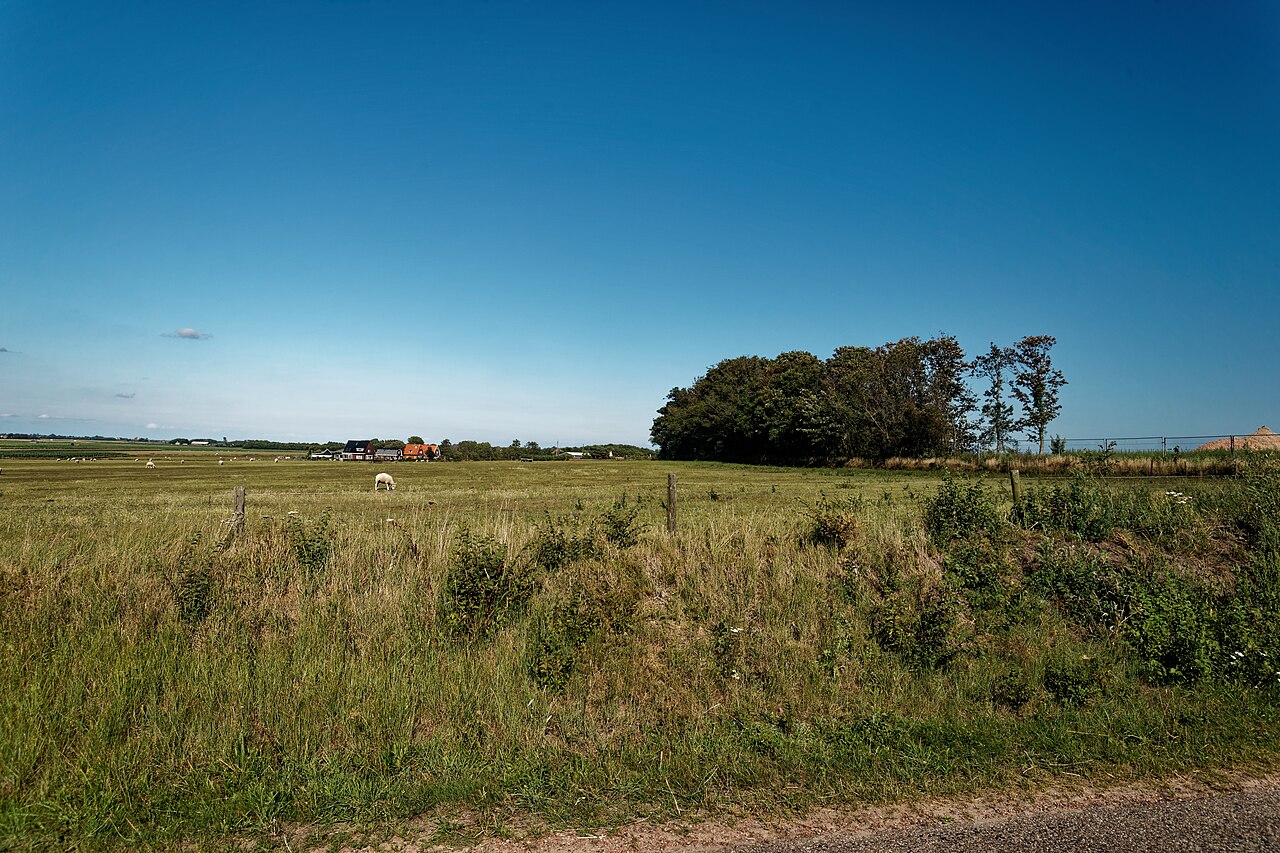
Wieringen is not ordinary flat polder land, but an ancient push-moraine landscape in the north of North Holland. The higher moraine core was formed during the penultimate Ice Age and remained as a firm core within the later coastal and peat landscape. Near Westerklief, that age becomes especially tangible: in the relief, in the old layers of settlement and in finds from the Viking Age.

View this place

How to read an old place

First walk around the place before studying the details. Notice its position in relation to water, roads and higher ground. Then look for different types of stone, blocked openings, foundations and irregularities in the ground. Old maps can help reveal vanished structures.

Information boards provide context, but the landscape itself often tells more. The best historic places do not reveal their story in a single glance. Take time to compare proportions, sightlines and traces of later use.

What old places can you find in North Holland?

This theme includes medieval castles, archaeological landscapes, historic forts, old dykes and places where traces in the soil are still visible or recognisable. Their age ranges from prehistoric landscapes and early farming traces to medieval places of power and nineteenth-century fortifications. Some locations are presented as museums, while others lie beside a road, on heathland, in a village or in the open landscape.

This theme is not a ranking of North Holland’s oldest buildings. It focuses on places where age can still be read on site. A well-preserved castle tells a different story from a ruin, and an archaeological centre offers another perspective from a barely visible soil trace. Together they show how broad the idea of a historic place can be.

More to discover

Explore the other themes

Alongside historic places, discover unusual nature, sacred places, vanished locations, waterworks and stories left behind in the landscape of North Holland.