Skip to content
The Netherlands Beneath Your Feet

Strange stories

Strange stories from North Holland

Not every story can be neatly proved. Sometimes all that remains is an old chronicle, a persistent tradition or a place where people have told the same strange story for generations. North Holland has a surprising number of them. Stories of ghosts wandering through castle corridors, mermaids supposedly brought ashore, vanished robbers, White Ladies and ships that never returned safely home. On this page you can discover mysterious places and strange stories that are still connected to the landscape. Not to accept every detail as fact, but to experience how history, fear and imagination can become intertwined.

View the strange stories ↓

Where history becomes tradition

A strange story rarely comes from nowhere. There is often a real place, event or person beneath it. A castle was destroyed, a ship was lost, a village lived with the threat of water or a criminal terrified a region. Over time, facts were supplemented by suspicions, warnings and tall tales.

That makes these stories more than isolated legends. They reveal what people feared, what they could not explain and which events made such an impression that they were still retold generations later.

Such stories gain particular meaning at the place itself. A ruin, dyke, old road or still stretch of water can make it tangible why a story arose here and why it never completely disappeared.

How these strange stories were selected

The selection consists of stories clearly connected to places in North Holland that can be visited. Some have a historical core that can be traced in sources. Others survive mainly as legends, folk tales or local tradition.

For every story, it therefore matters what is certain, what is probable and what belongs solely to the legend. The point is not to prove ghosts or mermaids, but to reveal the place where the story has belonged for so long.

Why some stories endure for centuries

Stories survive when they contain a recognisable place, a strong image and a warning. A white figure in the mist, an unmanned ship or a castle where footsteps are heard after sunset is easy to remember and pass on.

Changes in the landscape can also help a legend survive. When a building disappears or a place becomes deserted, imagination gains room. What can no longer be fully seen or explained can easily acquire a second life as a mystery.

Between fact, fear and imagination

A folk tale does not have to be literally true to reveal something true. It can show how dangerous the water was, how deeply people feared disease and violence, or how a community tried to make sense of loss.

So do not read these stories only as supernatural tales. Look at the historical circumstances behind them as well. That is often where you discover why a story was convincing enough to survive for centuries.

Mysterious places and stories that still live on

Ban post on the Amsterdamseweg near Amstelveen, close to Heempark De Braak

Photo: Willem Reinier de Jong

Credit: Photo: Willem Reinier de Jong / Nederland Onder Je Voeten

Changes: No changes.

Strange stories

The Ban Posts and the Gambler of Nieuwer-Amstel

Amstelveen

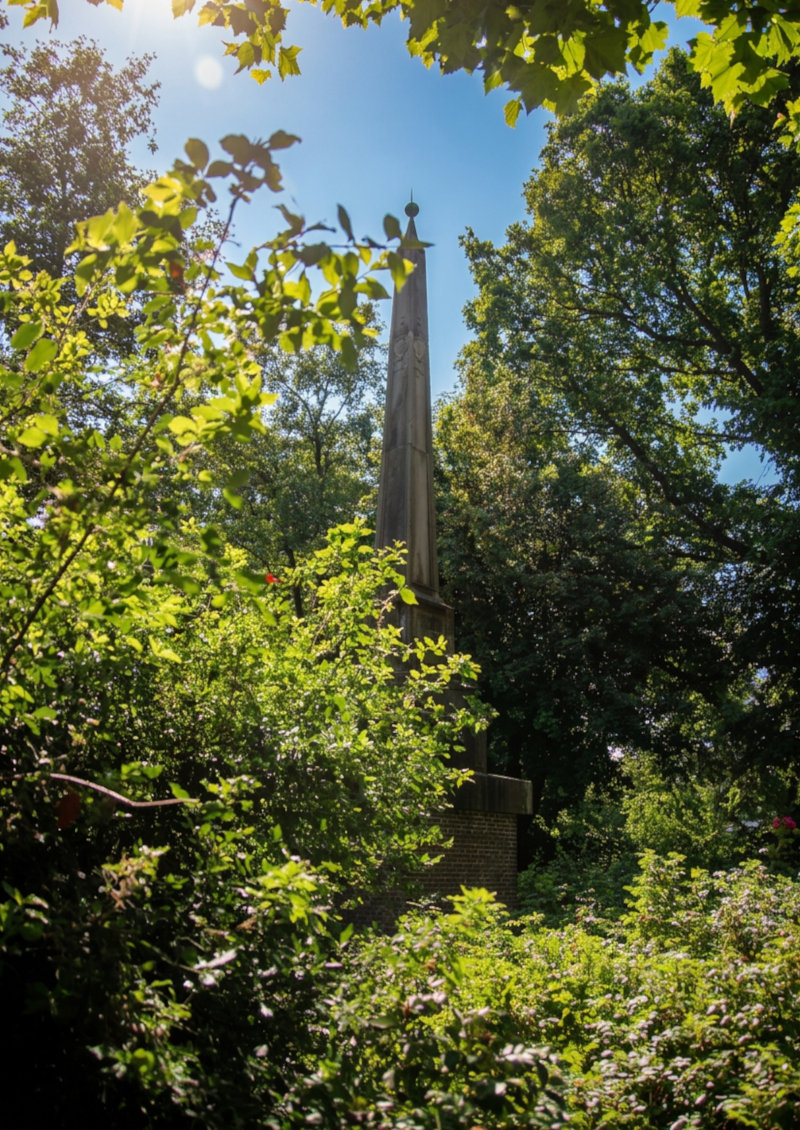
On the Amsterdamseweg in Amstelveen stands an old ban post: a boundary marker that once indicated how close banished people from Amsterdam were allowed to come. Around such boundaries, a remarkable local legend grew. According to the tale, Reinoud van Brederode lost his rights over Amstelveen, Sloten, Sloterdijk and Osdorp to Amsterdam in a game of dice. The ban post makes that story tangible: here, urban expansion suddenly becomes a matter of law, power, boundary stones and a throw of the dice.

View this place
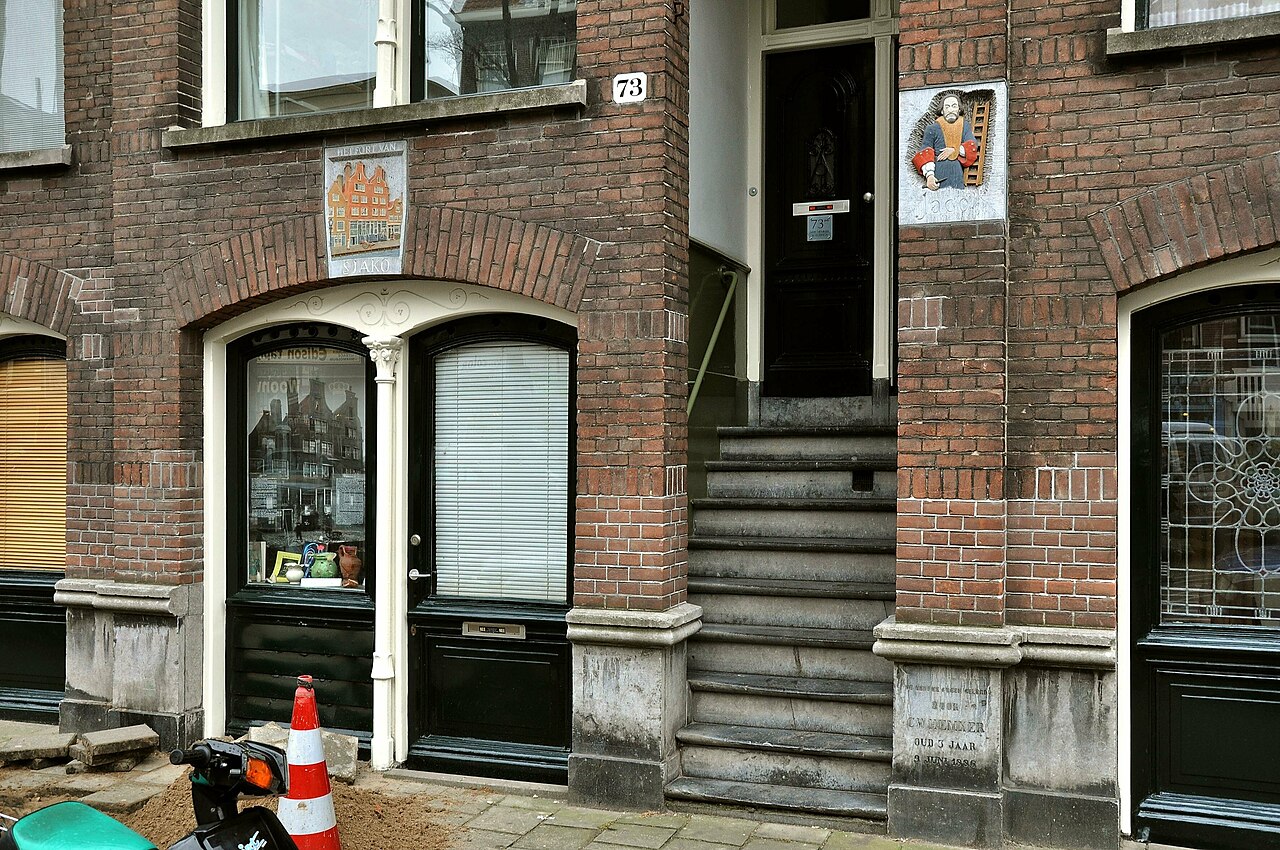
Gable stones of the Fort of Sjako on the Elandsgracht in Amsterdam

Photo: Martin Alberts / Amsterdam City Archives

Credit: Photo: Martin Alberts / Amsterdam City Archives, via Wikimedia Commons, CC0 1.0

Licence: CC0 1.0

Changes: No changes.

Source ↗

Strange stories

Sjako’s Gang

Amsterdam

On Amsterdam’s Elandsgracht, gable stones recall Sjako, the notorious eighteenth-century thief around whom one of the city’s most persistent crime legends took shape. Jacob Frederik Muller, also known as Jaco or Sjako, was remembered as a gang leader, burglar, escape artist and later even as a kind of Amsterdam Robin Hood. Fact and folklore meet here in a striking way.

View this place
The Seven Pancakes in the Doolhof on the Hoge Berg on Texel.

Photo: Roepers

Credit: Photo: Roepers, via Wikimedia Commons, CC BY-SA 4.0

Licence: CC BY-SA 4.0

Changes: No changes.

Source ↗

Strange stories

The Devil’s Stone of Texel

Texel

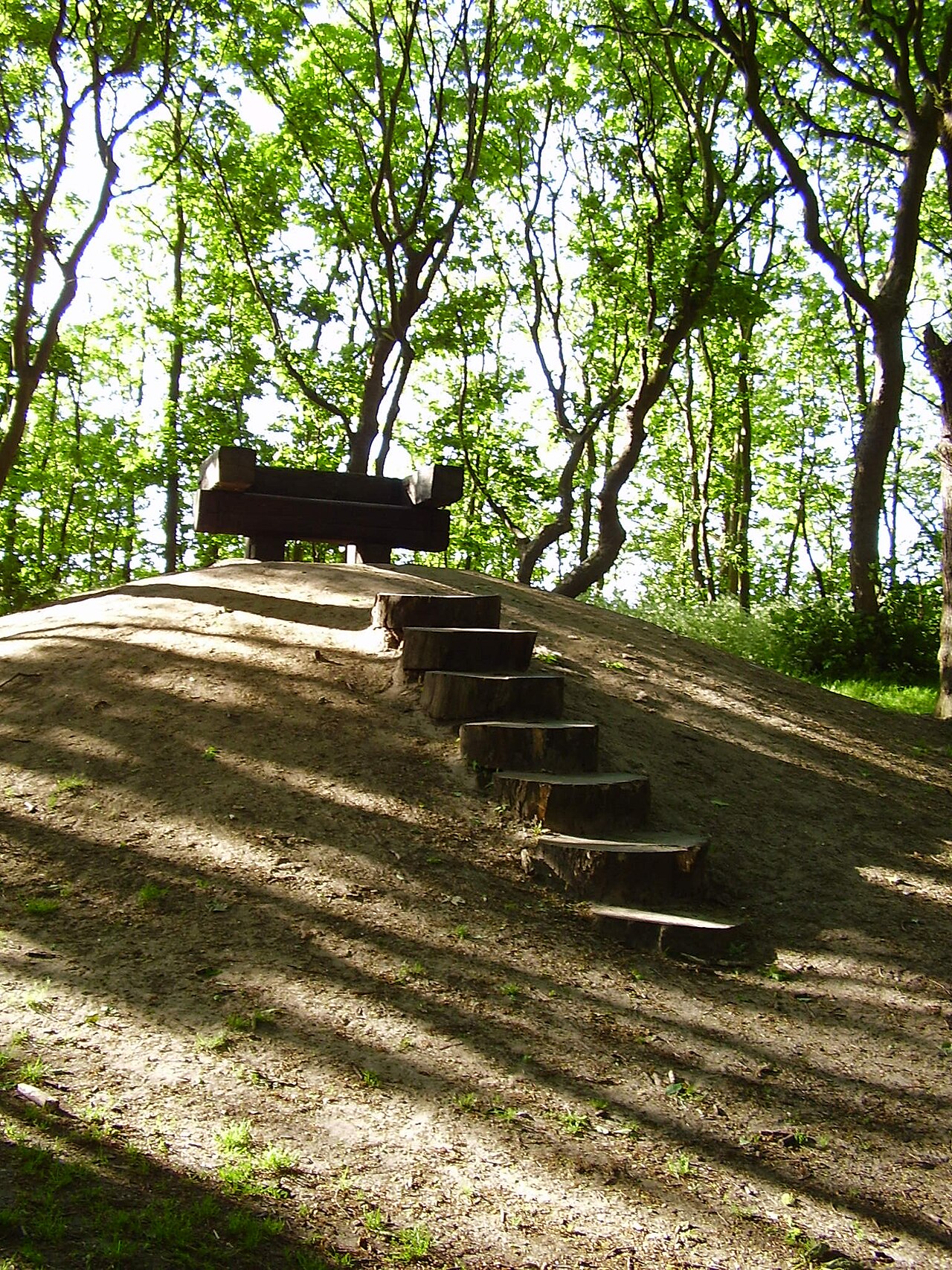
Beneath the Seven Pancakes on the Hoge Berg, a stone was said to lie that seemed to have no end. What rose above the ground was only its head; according to the tale, the rest extended deep beneath Texel and under the sea, all the way to England. The boulder became Engelsteen, English Stone and finally Devil’s Stone: a hidden riddle beneath a friendly little wood.

View this place
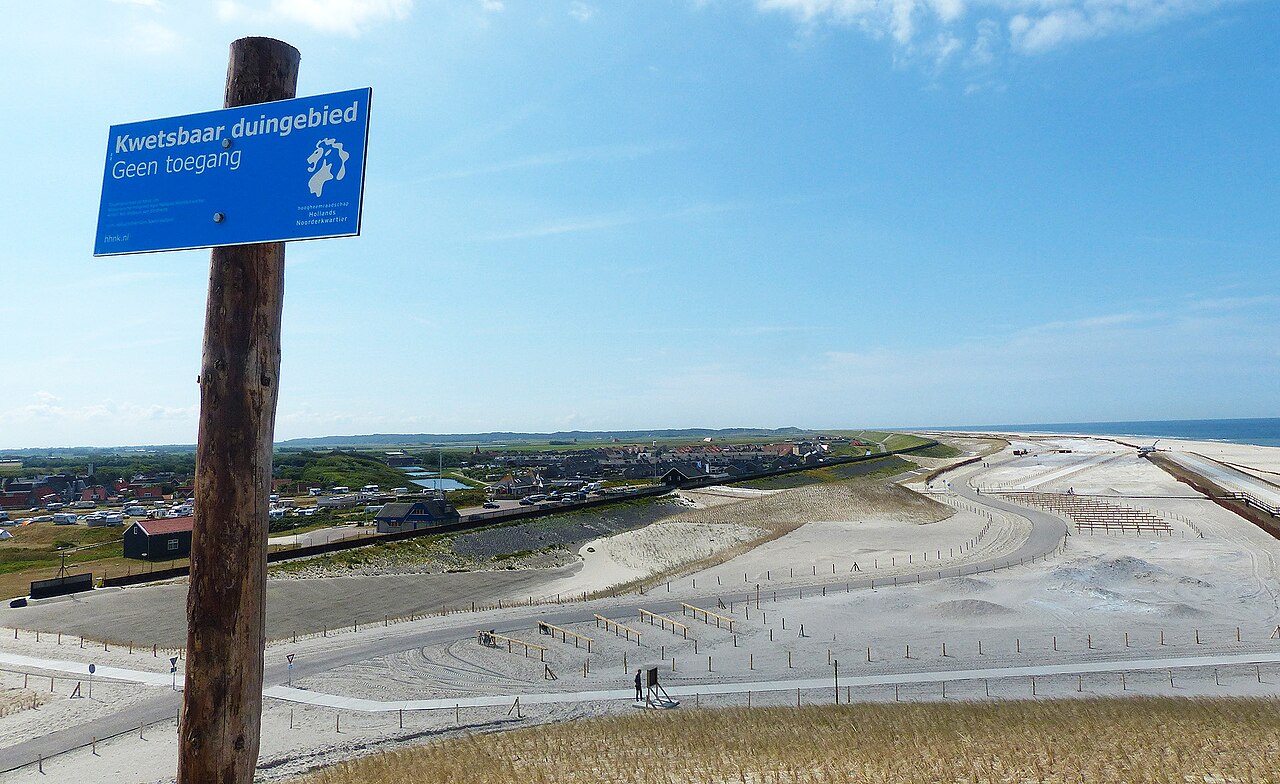
The Hondsbossche sea defence and renewed coast near Petten and Camperduin.

Photo: Jan W.H. Werner

Credit: Photo: Jan W.H. Werner, via Wikimedia Commons, CC BY-SA 4.0

Licence: CC BY-SA 4.0

Changes: No changes.

Source ↗

Strange stories

The Witch of the Hasepolder

Schagen and Bergen

On the coast near Petten and Camperduin, people fought the sea, wind and erosion for centuries. Dykes broke, land disappeared, livestock fell ill and storms could break a community in a single night. In such a landscape, fear sometimes took on a face: that of the witch, to whom illness, misfortune and other unexplained adversity could be attributed.

View this place
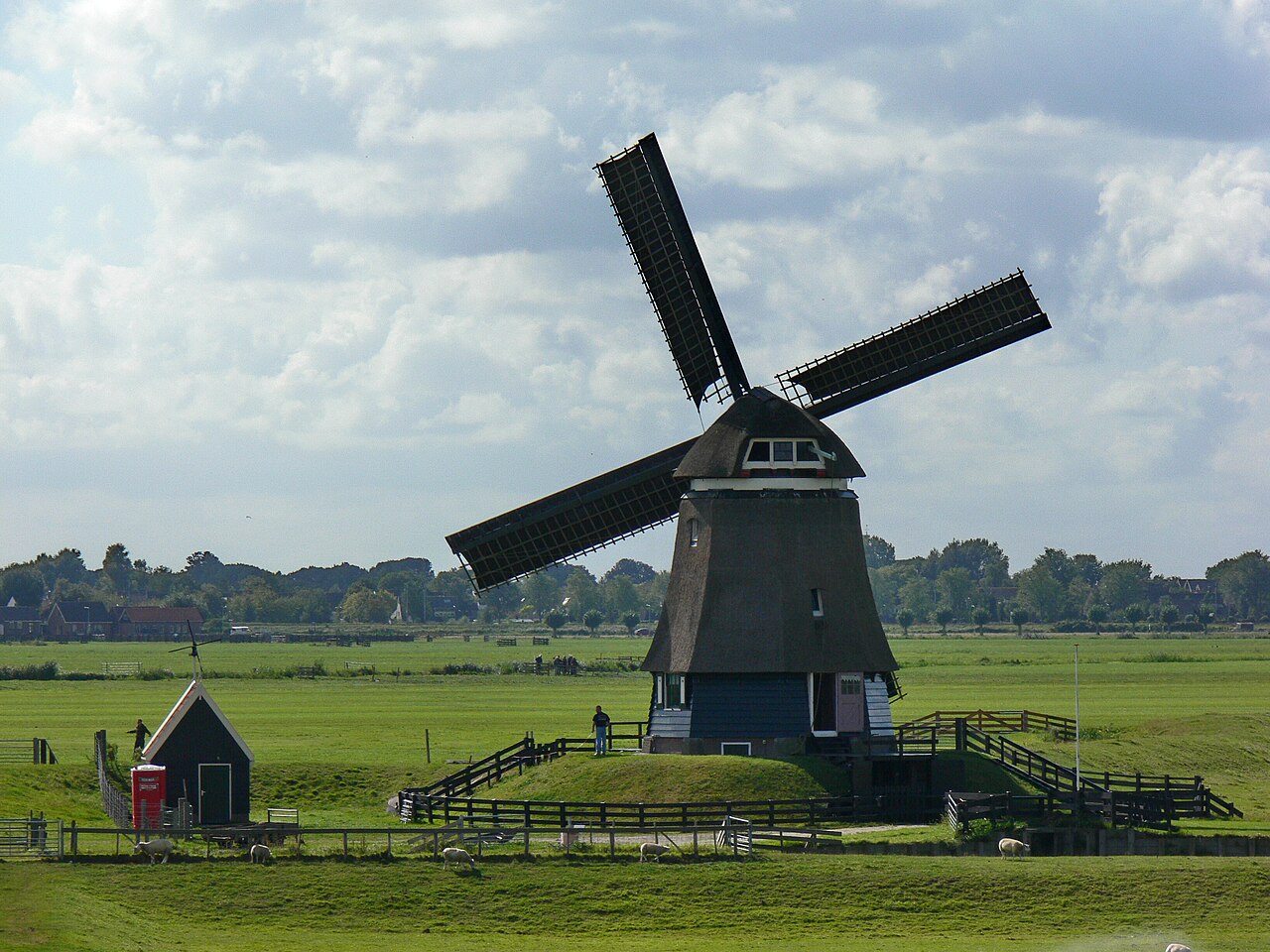
Etersheimer Braakmolen windmill in the open polder landscape near Etersheim

Photo: Marjon

Credit: Photo: Marjon, via Wikimedia Commons, CC BY-SA 2.0

Licence: CC BY-SA 2.0

Changes: No changes.

Source ↗

Strange stories

The Bells of the Drowned Land

Edam-Volendam

At Etersheim, an old story lies beneath the water. The earlier village stood closer to the Zuiderzee, and parts of the old land eventually disappeared beneath what is now the Markermeer. Later, stories lingered of church walls, treasures and bells that could still be heard from the depths in calm weather. The Etersheimerbraak, the dyke and the Braakmolen windmill make that vanished land tangible: a landscape where water took not only land, but left stories behind as well.

View this place
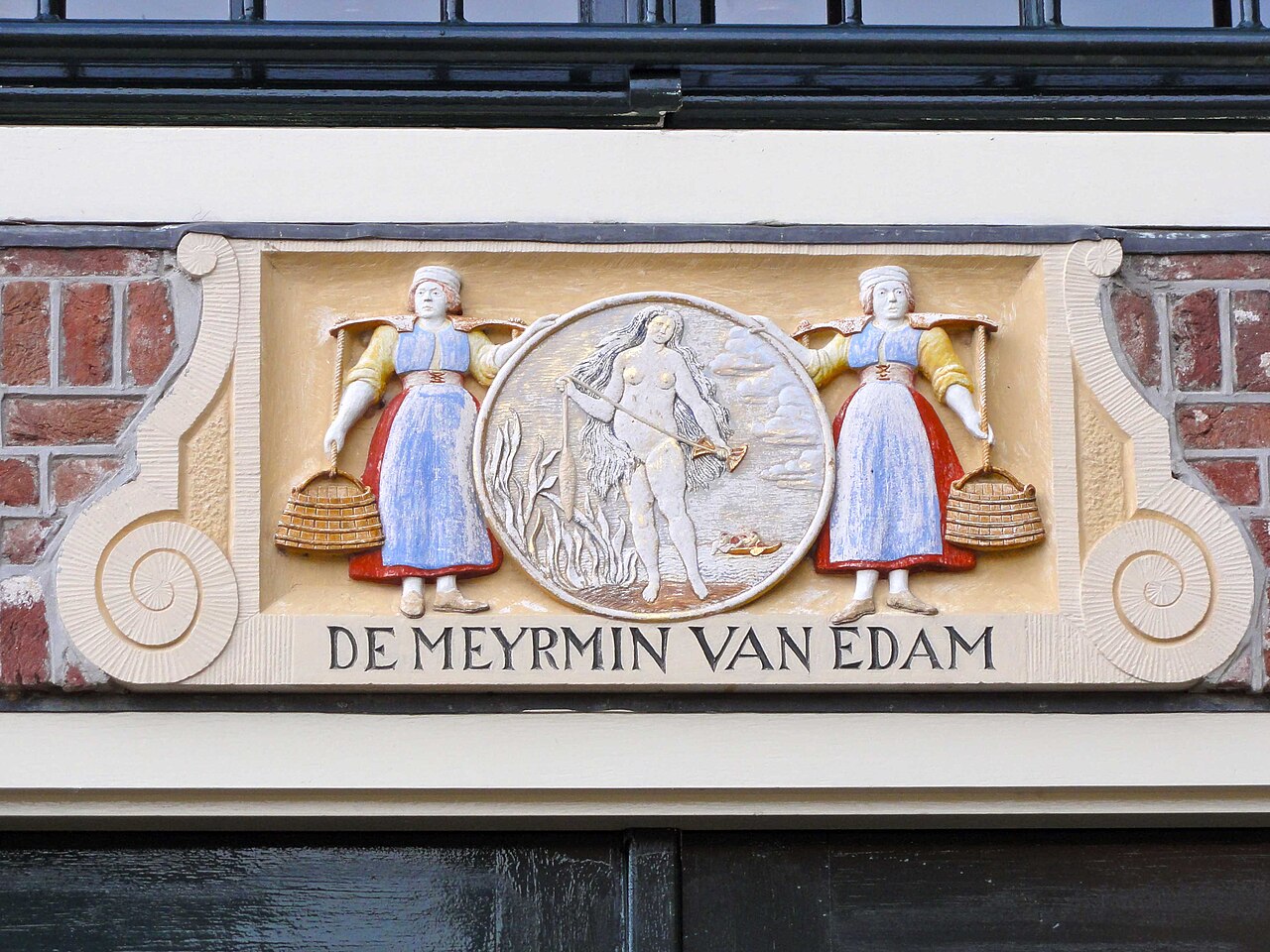
Gable stone with the Mermaid of Edam at Jan Nieuwenhuizenplein 15 in Edam

Photo: Gouwenaar

Credit: Photo: Gouwenaar, via Wikimedia Commons, CC0 1.0

Licence: CC0 1.0

Changes: No changes.

Source ↗

Strange stories

The Mermaid of Edam

Edam-Volendam

The Mermaid of Edam is a North Holland water legend about a strange woman from the water who ended up in the former Purmermeer after a storm. According to the saga, she was captured by Edam milkmaids or local residents, taken to Edam, washed, clothed and later brought to Haarlem. On a gable stone at Jan Nieuwenhuizenplein in Edam, the story remained visible in stone. The legend connects storm floods, former inland waters, civic pride and the imagination of the Zuiderzee.

View this place
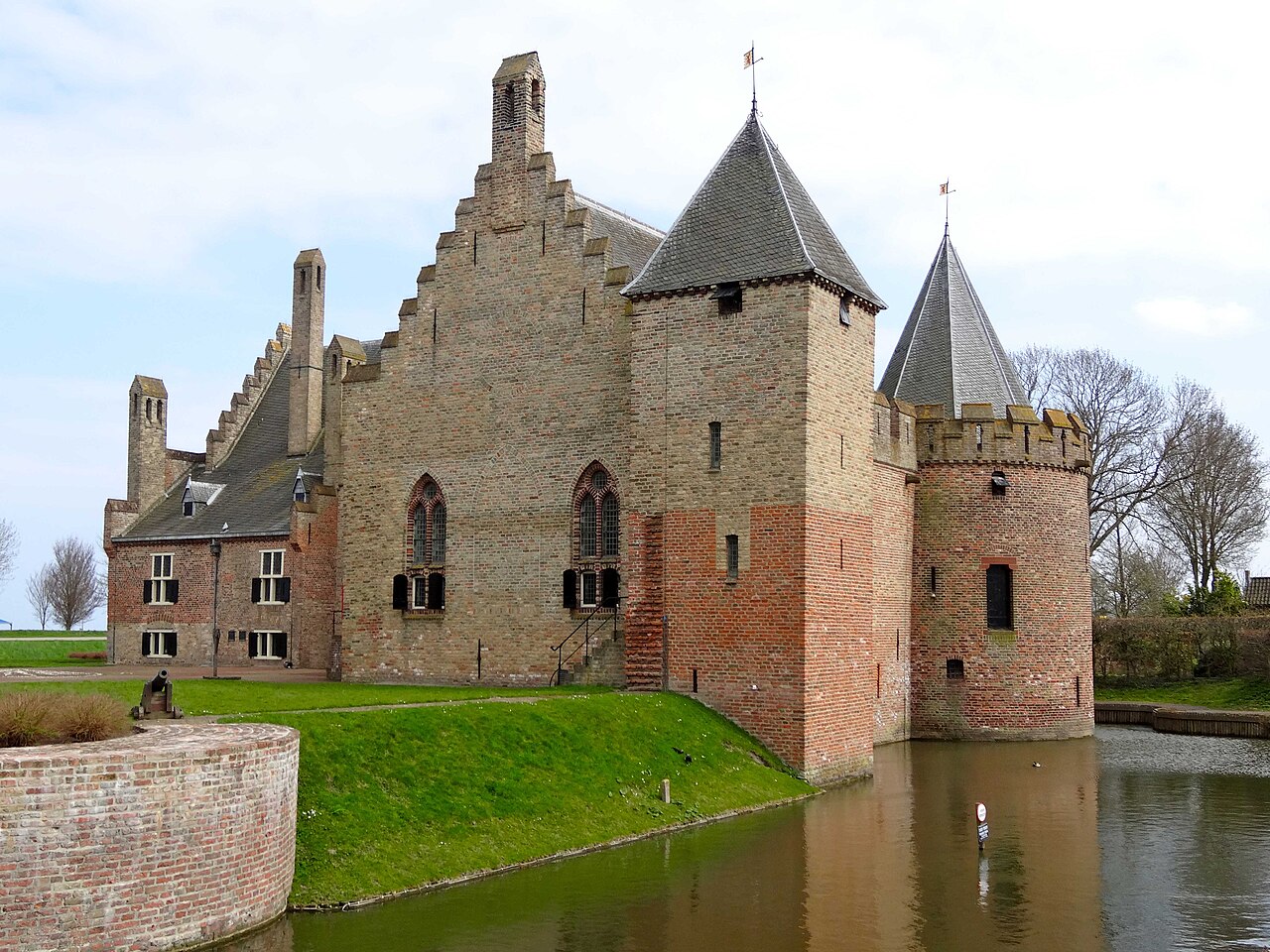
Radboud Castle in Medemblik, seen from the moat.

Photo: Gouwenaar

Credit: Photo: Gouwenaar, via Wikimedia Commons, CC0 1.0

Licence: CC0 1.0

Changes: No changes.

Source ↗

Strange stories

Radboud’s Treasure

Medemblik

Beneath Radboud Castle in Medemblik, memory is said to linger of an older fortress, a pagan king and a treasure that never entirely disappeared from the story. The name Radboud pulls the castle back to a time of conflict, Christianisation and old Frisian power. Whether anything is truly hidden there remains uncertain. But that very suspicion makes every cellar, wall and dark corner more charged.

View this place
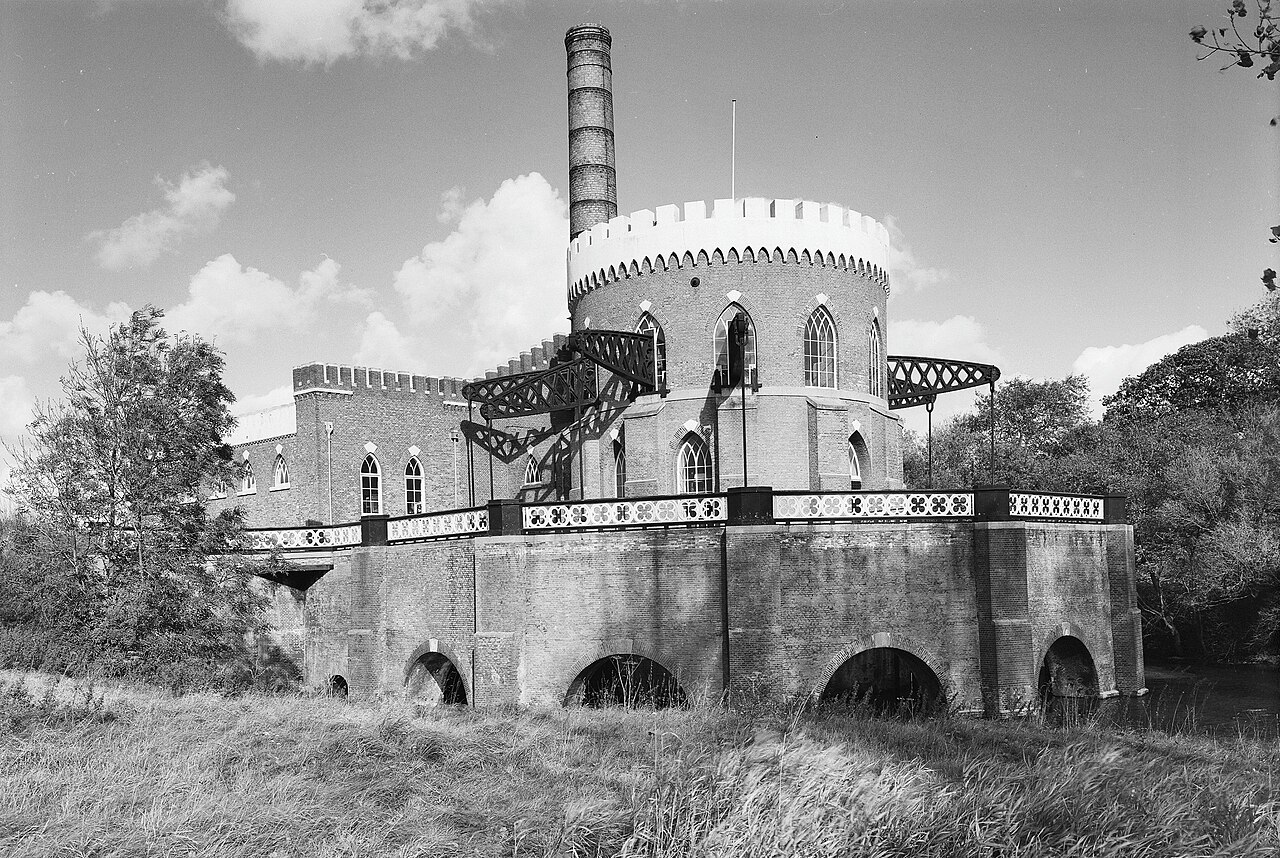
Exterior of De Cruquius steam pumping station on the Ringvaart of the Haarlemmermeer polder.

Photo: Loek Tangel

Credit: Photo: Loek Tangel / Cultural Heritage Agency of the Netherlands, via Wikimedia Commons, CC BY-SA 4.0

Licence: CC BY-SA 4.0

Changes: No changes.

Source ↗

Strange stories

The Water Wolf of the Haarlemmermeer

Haarlemmermeer

Where roads, fields, villages and Schiphol now lie, there was once a lake that ate the land. The Haarlemmermeer was called the Water Wolf: not a creature of flesh and blood, but a monster of wind, waves and vanishing shores.

View this place
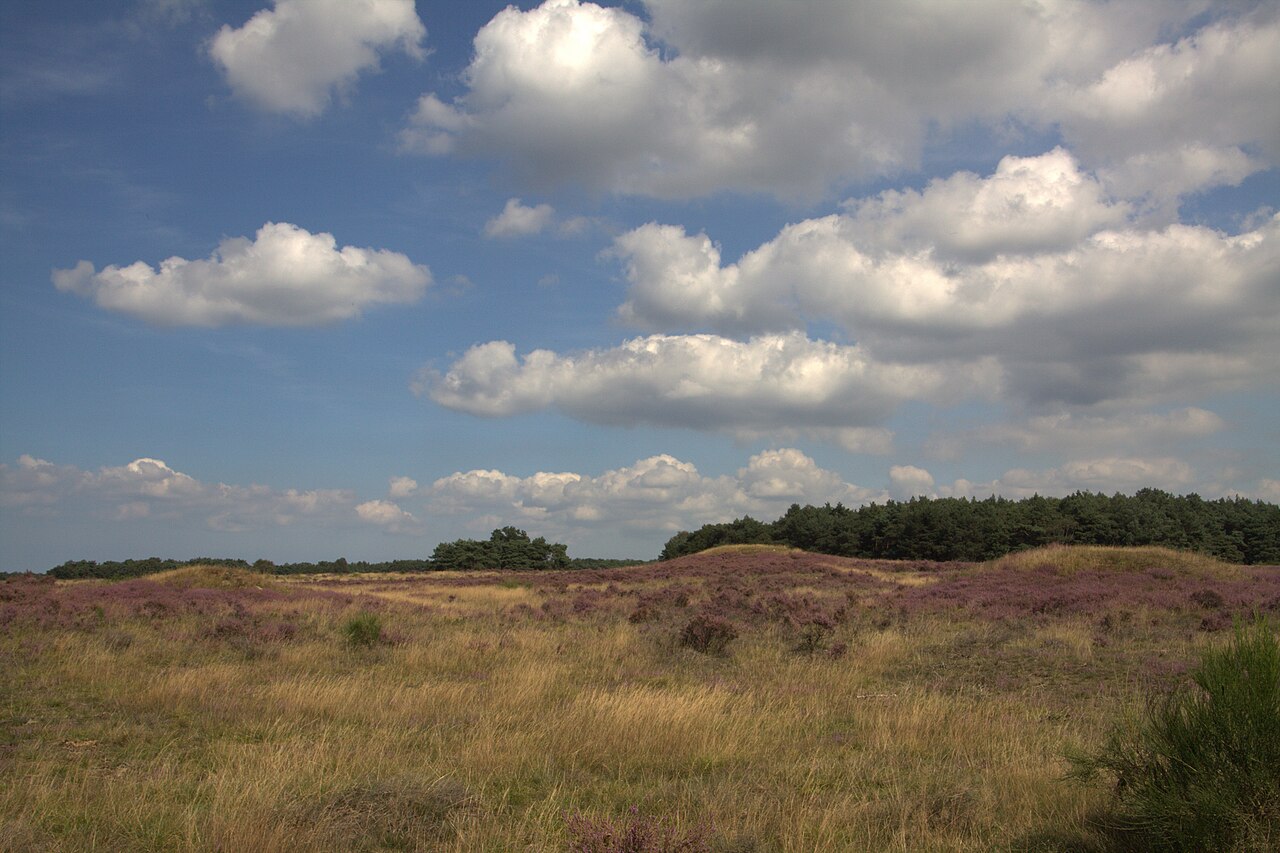
Burial mounds on the Westerheide near Laren.

Photo: Jan dijkstra

Credit: Photo: Jan dijkstra, via Wikimedia Commons, CC BY-SA 4.0

Licence: CC BY-SA 4.0

Changes: No changes.

Source ↗

Strange stories

The White Ladies of the Gooi

Hilversum and Laren

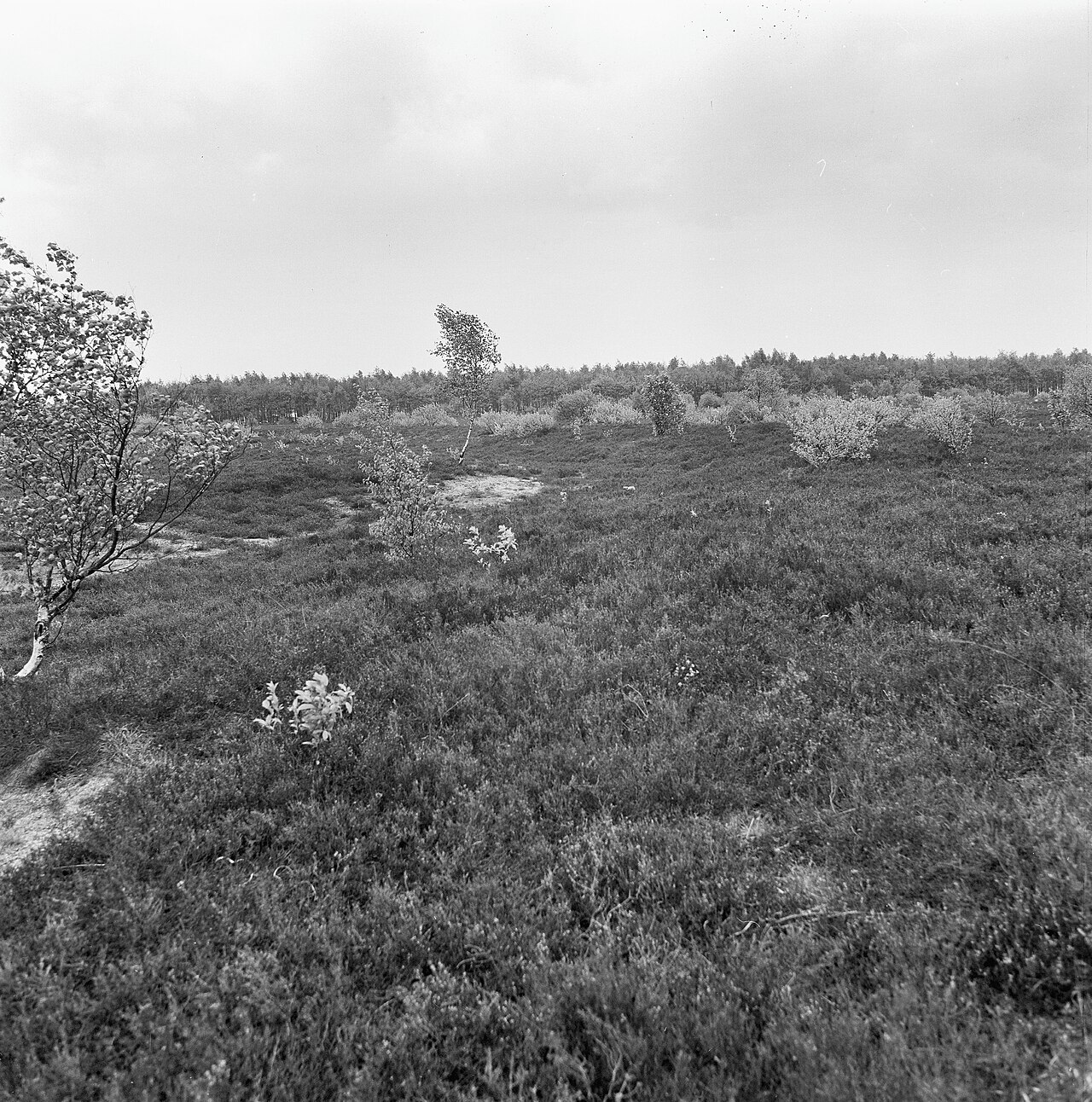
On the Westerheide between Hilversum and Laren lie prehistoric burial mounds, old paths and traces of the dead beneath the sand. By day it is open heathland in the Gooi, but in mist and evening light the silent mounds take on an unsettling quality. White Ladies were said to appear here: pale figures that watched, lured or vanished before you could be certain of what you had seen.

View this place
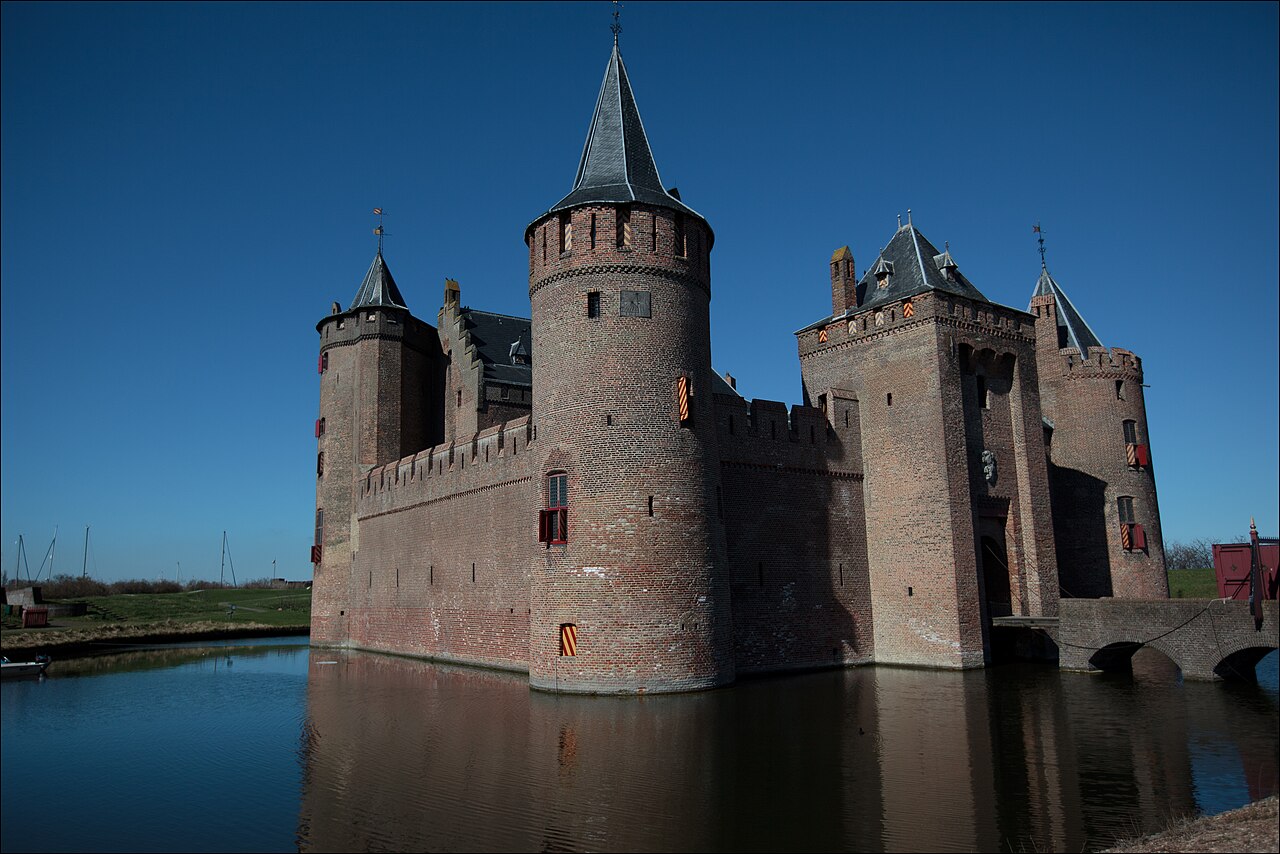
Muiderslot near the mouth of the Vecht in Muiden.

Photo: Ludovic Hirlimann

Credit: Photo: Ludovic Hirlimann, via Wikimedia Commons, CC BY-SA 2.0

Licence: CC BY-SA 2.0

Changes: No changes.

Source ↗

Strange stories

The Mermaid of Muiden

Gooise Meren

At the mouth of the Vecht, where Muiden looked out over the old Zuiderzee, a mermaid was once said to have been pulled from the water. What first seemed a wondrous catch soon became a threat: the sea grew furious, the wind beat against the houses and the water seemed to calm only when the strange creature was returned to the depths.

View this place
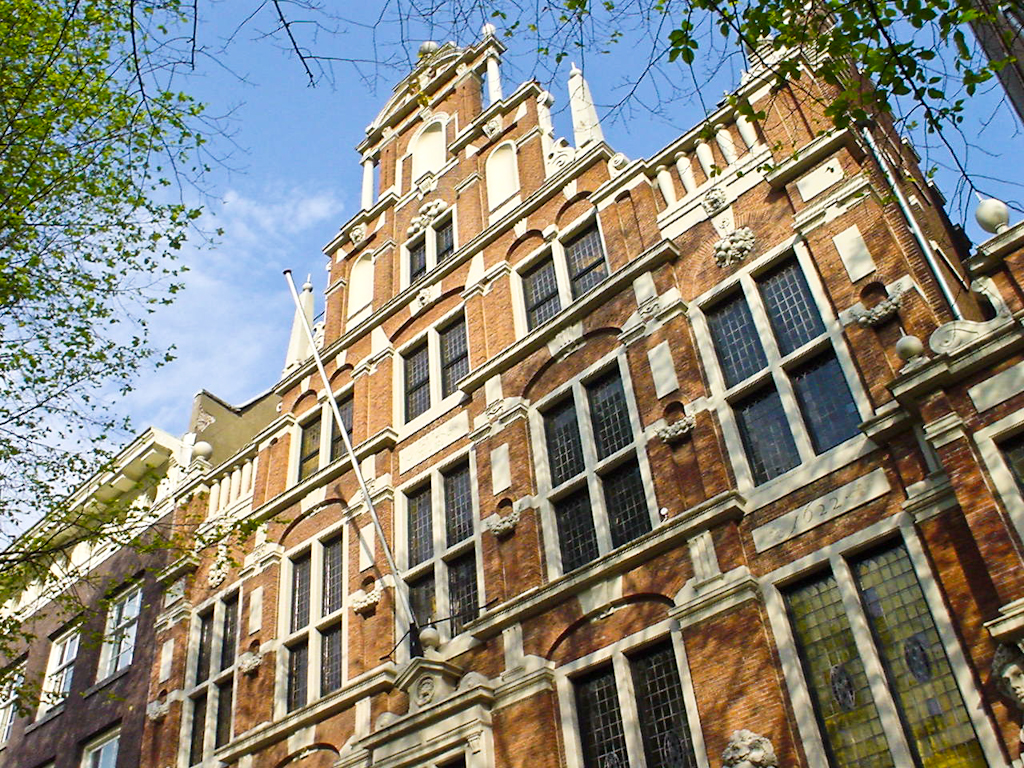
Front façade of the House with the Heads on the Keizersgracht in Amsterdam.

Photo: Michele Ahin

Credit: Photo: Michele Ahin, via Wikimedia Commons, CC BY-SA 3.0 NL

Licence: CC BY-SA 3.0 NL

Changes: No changes.

Source ↗

Strange stories

The House with the Heads

Amsterdam

On the Keizersgracht, six stone heads look down from an ornate seventeenth-century façade. Officially they are classical deities, but Amsterdam gave them a darker story: six robbers who entered the house and were beheaded one by one by the maidservant Elsje.

View this place
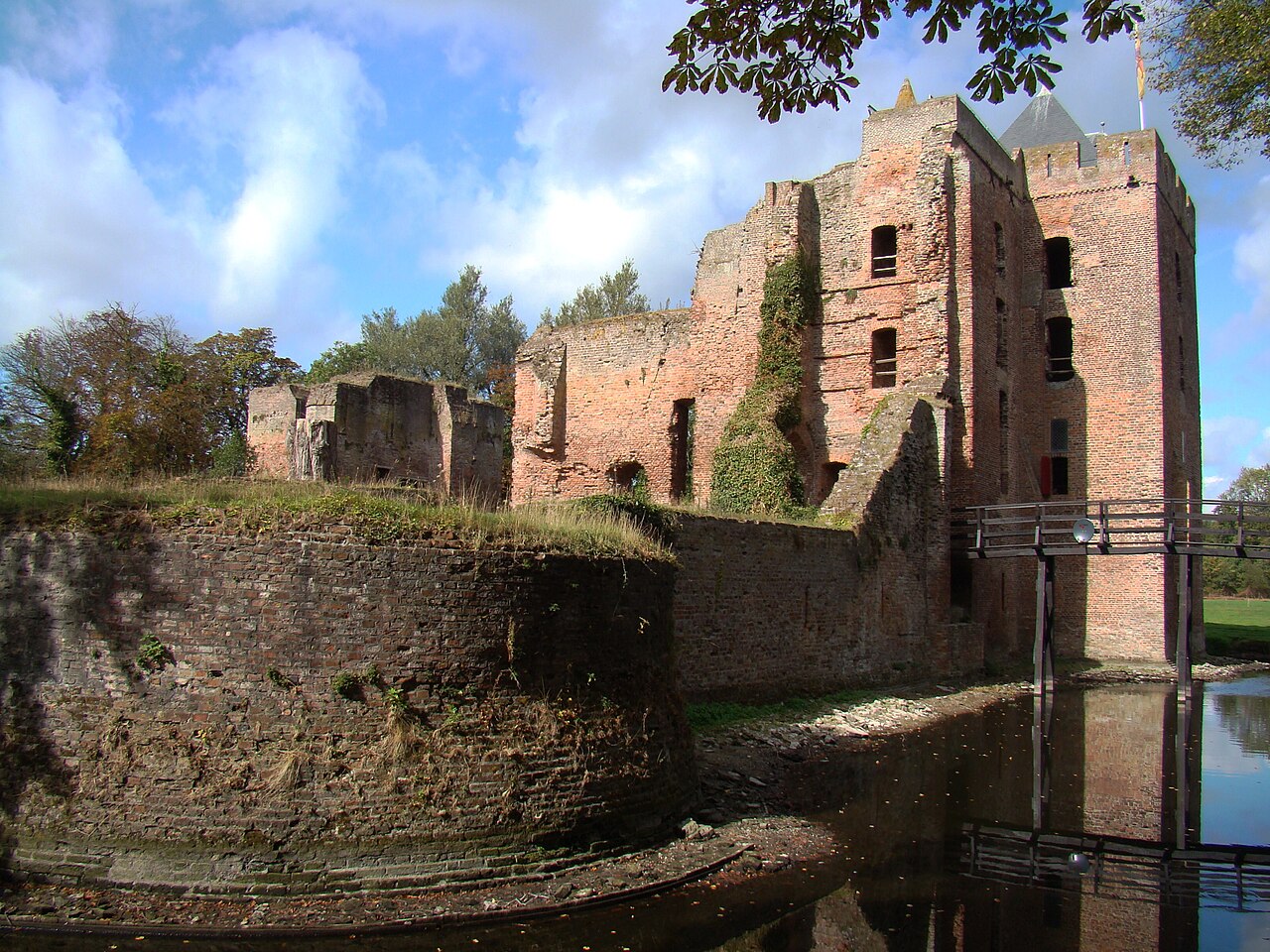
Ruins of Brederode Castle near Santpoort-Zuid, with brick walls and moat

Photo: Arch

Credit: Photo: Arch, via Wikimedia Commons, Public Domain

Changes: No changes.

Source ↗

Strange stories

The Ghost of Brederode

Velsen

Around the Ruins of Brederode near Santpoort-Zuid there has long been an atmosphere of decay, abandonment and nocturnal imagination. The late medieval castle was completed in 1318, suffered heavy damage through war, power struggles and plundering, and eventually became a romantic ruin. Among the moated walls, towers and empty windows, a ghostly reputation developed in which the history of the Brederodes, the last castle lady Yolande van Lalaing and later ruin fantasies overlap.

View this place
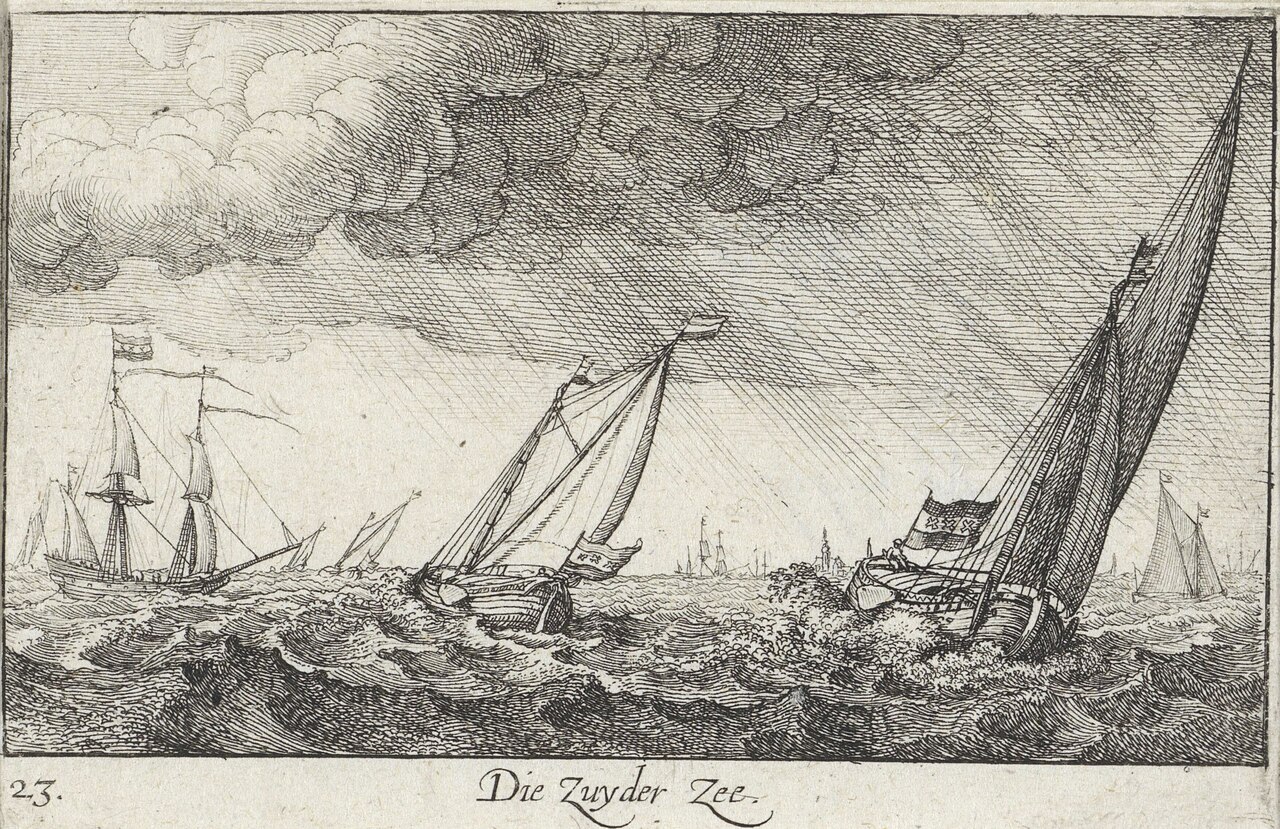
Ships during a storm on the Zuiderzee, with a dark sky and rough water

Photo: Wenceslaus Hollar

Credit: Print: Wenceslaus Hollar, 1635 / Rijksmuseum, via Wikimedia Commons, CC0 1.0

Licence: CC0 1.0

Changes: No changes.

Source ↗

Strange stories

The Ghost Ship of the Zuiderzee

Enkhuizen

The Ghost Ship of the Zuiderzee belongs to the old water stories of storms, shipwrecks and omens on the former inland sea. In some traditions, a ship with full sails appeared during violent weather, sailing against the wind. Whoever saw it knew that somewhere on the Zuiderzee a vessel was sinking or disaster was near. Along the old Zuiderzee coast at Enkhuizen, the story remains tangible: water, harbour, wind and memory are still closely connected here.

View this place
The Doodweg towards Hilversum, seen as an old road through the Gooi landscape

Photo: Gerard Dukker / Cultural Heritage Agency of the Netherlands

Credit: Photo: Gerard Dukker / Cultural Heritage Agency of the Netherlands, via Wikimedia Commons, CC BY-SA 4.0

Licence: CC BY-SA 4.0

Changes: No changes.

Source ↗

Strange stories

Stories around the Death Road to Hilversum

Hilversum / Laren

Across the Westerheide between Laren and Hilversum run old straight roads connected with the Sint-Janskerkhof cemetery. One of them remained known in Hilversum as Doodweg, or Death Road. Such roads were associated with funeral processions, death carts and the old belief that the dead had to be carried along fixed paths. On the heath, among burial mounds, urnfields and a remote cemetery, the Doodweg became more than a route: a place where the landscape itself seems to point towards death.

View this place

Visit the place, but respect the story

Many locations are vulnerable, lie in cemeteries or are found in nature reserves and around historic buildings. Stay on accessible paths and respect closures, residents and other visitors.

The experience is not about seeking thrills or entering restricted ground. Looking carefully, reading the surroundings and knowing what was told here is precisely what makes the place special.

What remains when a story cannot be proved?

Perhaps no one ever truly saw a White Lady and perhaps no unmanned ship ever crossed the Zuiderzee. Even so, such stories tell us something about the people who lived here and the world in which they tried to understand danger and chance.

Legends therefore belong to the heritage of a place too. Not as established fact, but as a layer of meaning that has survived alongside archives, buildings and landscapes.

From Brederode Castle and the Doodweg near Hilversum to the stories of the Mermaid of Edam and the ghost ship on the Zuiderzee, every location shows how thin the boundary can become between what happened and what people continued to tell.

Discover more

Explore the other themes too

Alongside strange stories, discover almost forgotten heritage, vanished places, sacred sites, old structures, remarkable nature and landscapes shaped by water.