
The story of this place
A landscape shaped by water and sand
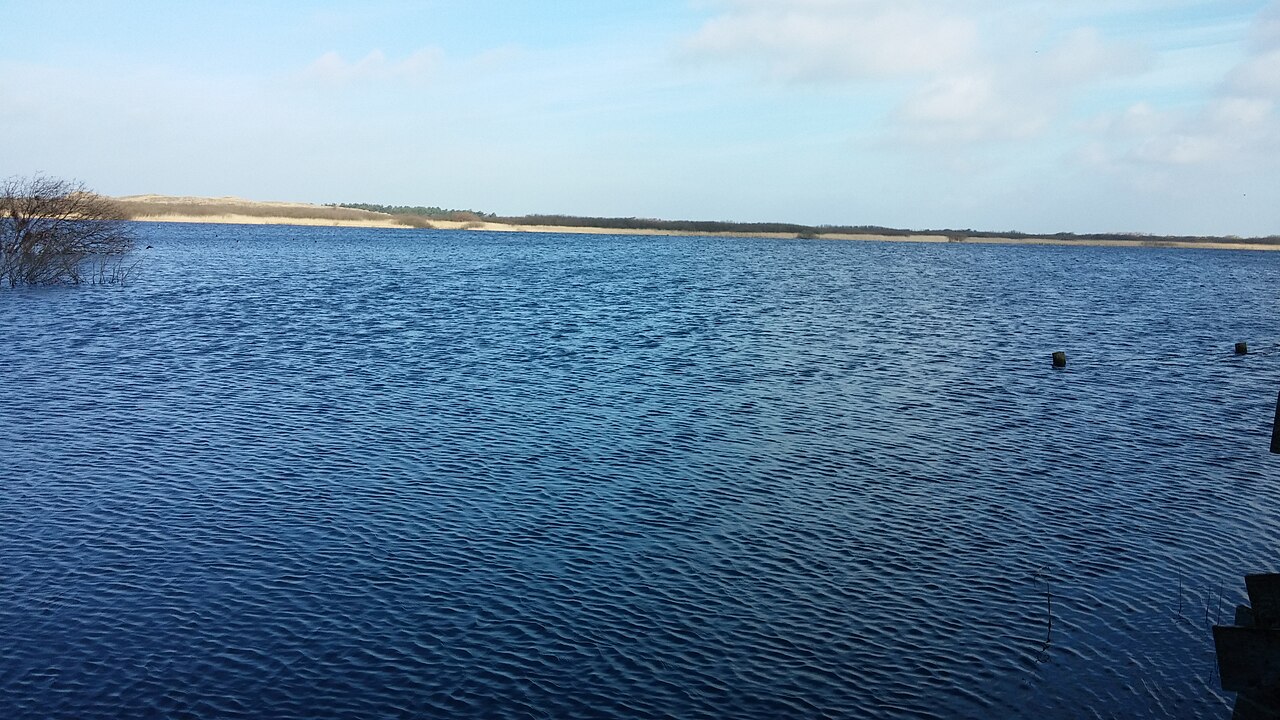
Zwanenwater lies behind the foredunes south of Callantsoog. From the coast, there is little to suggest that two large freshwater lakes are hidden among the dunes. The Eerste Water and Tweede Water form the heart of a landscape of reed marshes, wet dune valleys, heath, grassland, bare sand and small woodland patches. The North Sea is close by, yet it is rainwater and groundwater that shape the character of this reserve.
The landscape seen today developed through centuries of storm floods, coastal erosion and recovery. By the late Middle Ages, the old line of dunes had been badly breached and the Zijpe tidal inlet reached far inland. After the devastating storm flood of 1553, the Zijper sea dyke was built. New dune ridges subsequently formed on its seaward side, trapping water between them and initially creating a single elongated dune lake.
Windblown sand later pinched this lake in at several points, eventually forming the Eerste Water and Tweede Water. Broad reed beds, stands of great fen-sedge, willow scrub and wet grassland developed around the shallow lakes. Farther from the water are wet dune valleys, acidic heath, dry dune grassland and bare sand. Very different habitats therefore occur within remarkably short distances.
A distinctive natural water regime
One important difference from many other mainland dune systems is that Zwanenwater was never used for drinking-water abstraction. Elsewhere, artificial abstraction and infiltration profoundly altered natural hydrology. Here, fluctuations in rainfall and groundwater have remained much more intact, allowing wet valleys and nutrient-poor vegetation to survive over large areas.
The two lakes are among the largest natural dune lakes in western Europe. Their margins are lined with reeds, tall sedges, great fen-sedge and willows. Great fen-sedge forms dense stands of tall, sharp-edged leaves. Bluethroats, sedge warblers, bearded reedlings, water rails and bitterns live among the reeds and marsh vegetation, while marsh harriers hunt low overhead. Cormorants breed in colonies and spoonbills search the shallows for small fish and other aquatic prey.
Outside the breeding season, the lakes become important resting places for ducks. Wigeon, shoveler, gadwall and tufted duck gather on the open water, while goosanders may appear during colder spells. Other waterbirds also use the reserve as a stopover during migration along the nearby North Sea coast.
From orchids to sand lizards
The wet dune valleys are every bit as remarkable as the lakes. In May and June, broad-leaved marsh orchids and southern marsh orchids can flower here in their thousands. Grass-of-Parnassus and other plants associated with clean, nutrient-poor groundwater appear later. Cross-leaved heath, crowberry and bog mosses grow in the more acidic, strongly decalcified areas. A difference in height of just a few centimetres can determine how long a patch remains wet and which plants are able to grow there.
Without management, open valleys and heath would gradually become overgrown with tall grasses, scrub and trees. Parts of the reserve are therefore mown, grazed or stripped of their nutrient-rich top layer. Cut vegetation is removed to keep the soil nutrient-poor, while in selected places sand is once again allowed to move. The aim is not to open up the entire landscape, but to retain the variety on which its rare low-growing vegetation depends.
Bare sand and temporary pools are valuable habitats too. Sand lizards bask along sunny edges where low vegetation meets open ground. Natterjack toads use shallow pools in the valleys, and on mild spring evenings their rolling calls can carry across the dunes. Dragonflies, butterflies, bees and hoverflies benefit from the close combination of water, shelter and flower-rich dune grassland.
A landscape transformed by the seasons
Walking routes deliberately keep visitors away from the most vulnerable plant communities and breeding colonies. Bird hides and viewpoints provide views across the lakes without repeatedly disturbing resting birds. Admission is charged. A guide is not required, but sturdy footwear is advisable because parts of the route can be wet, loose underfoot or uneven.
The character of Zwanenwater changes markedly through the year. In early spring, pale reeds, open water and bare dunes dominate the scene. May and June bring orchids and intense birdsong. Grass-of-Parnassus flowers later in summer, and parts of the heath turn purple in August. In autumn and winter, the lakes become increasingly important for ducks and other winter visitors.
From the higher dunes, the full structure of the landscape becomes clear. The North Sea lies to the west and the polder to the east. Between them are bare sand, heath, wet valleys, reed marshes and dark expanses of water. Because these habitats lie so close together, spoonbills, orchids, natterjack toads and sand lizards can all find a place within the same reserve.
Zwanenwater is therefore much more than two beautiful lakes. The reed beds tell a story of natural infilling, orchids point to clean groundwater, heath marks old decalcified dunes and bare sand shows that the landscape is still renewing itself. Together, these elements form a rare freshwater dune landscape just behind the North Sea coast.
What can you see when?
The months below show when a sighting is most likely. Wildlife remains unpredictable.

Broad-leaved marsh orchid and southern marsh orchid
In May and June, thousands of pink, purple and reddish-violet orchids can colour the mown wet dune valleys. The exact flowering period varies with water levels, temperature and management.
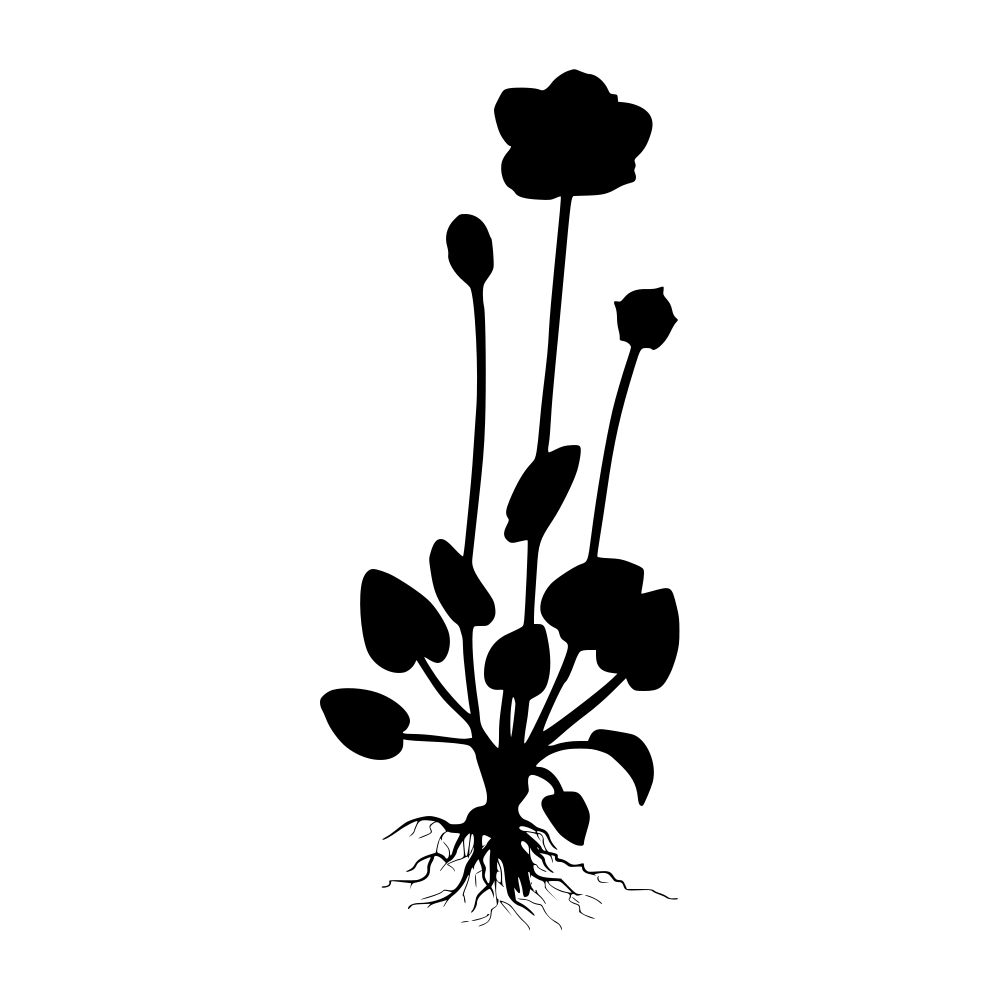
Grass-of-Parnassus
Its white, finely veined flowers appear later than most orchids. Grass-of-Parnassus favours damp, nutrient-poor ground influenced by clean groundwater.
Cross-leaved heath and crowberry
In summer and late summer, parts of the old acidic dunes turn purple. Cross-leaved heath favours damp ground, while crowberry also thrives on drier, decalcified dunes.
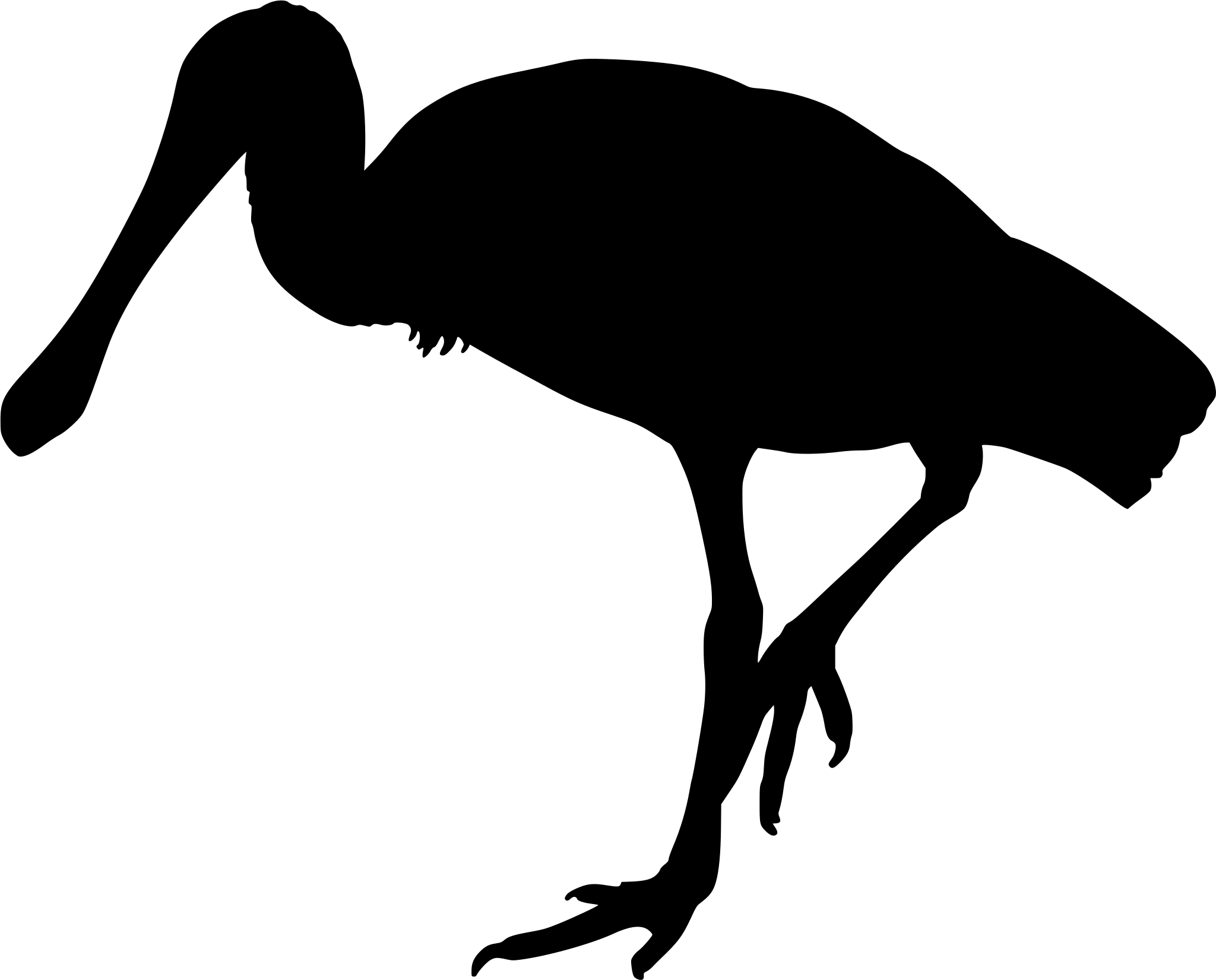
Eurasian spoonbill
Spoonbills may breed or rest on islands and quiet shores. In shallow water, they sweep their flattened bills from side to side in search of small fish and other aquatic prey.
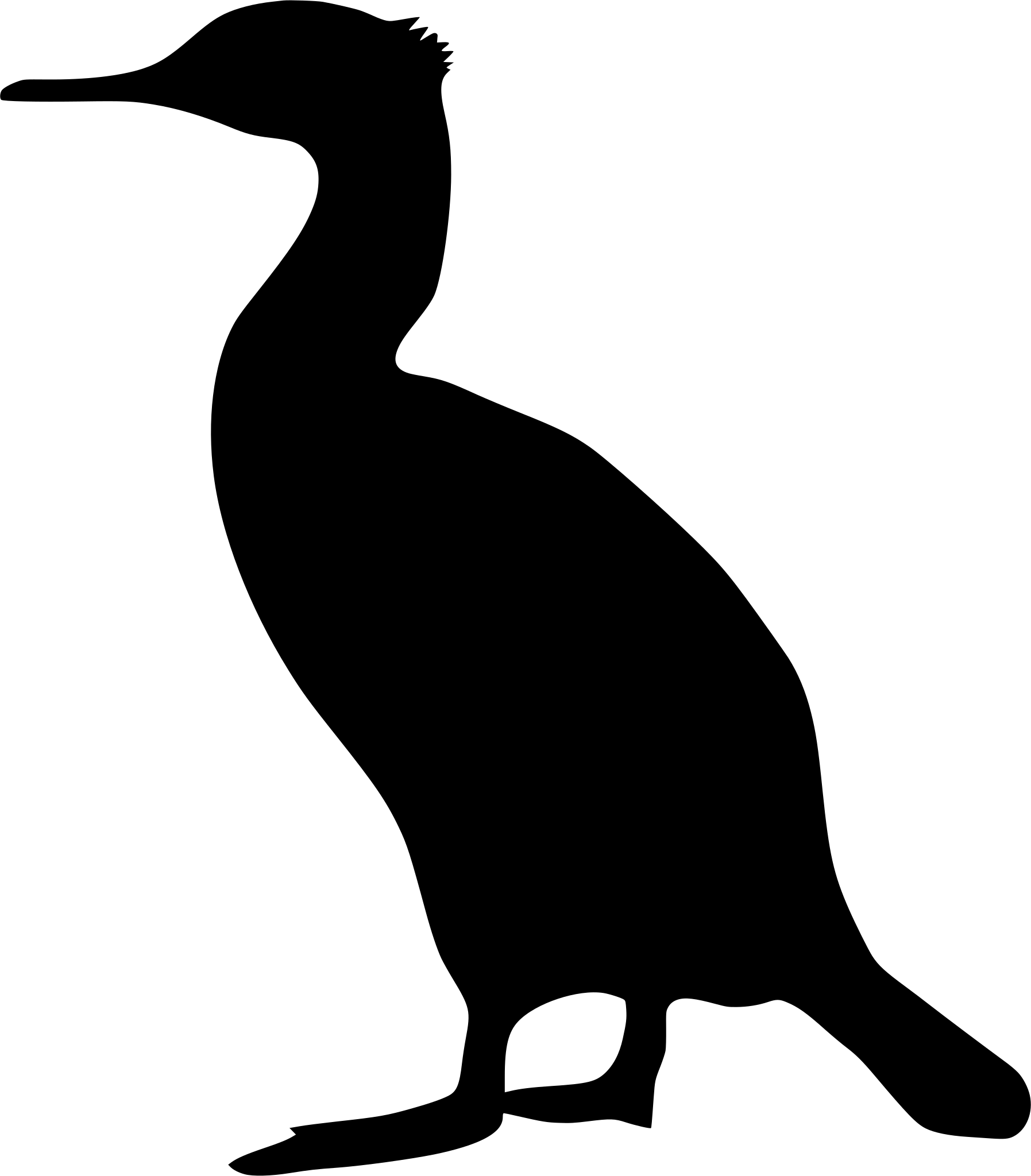
Great cormorant
All yearCormorants can be seen on and around the lakes for most of the year. In spring, the nesting colony, birds flying back and forth and individuals drying their outstretched wings are particularly conspicuous.
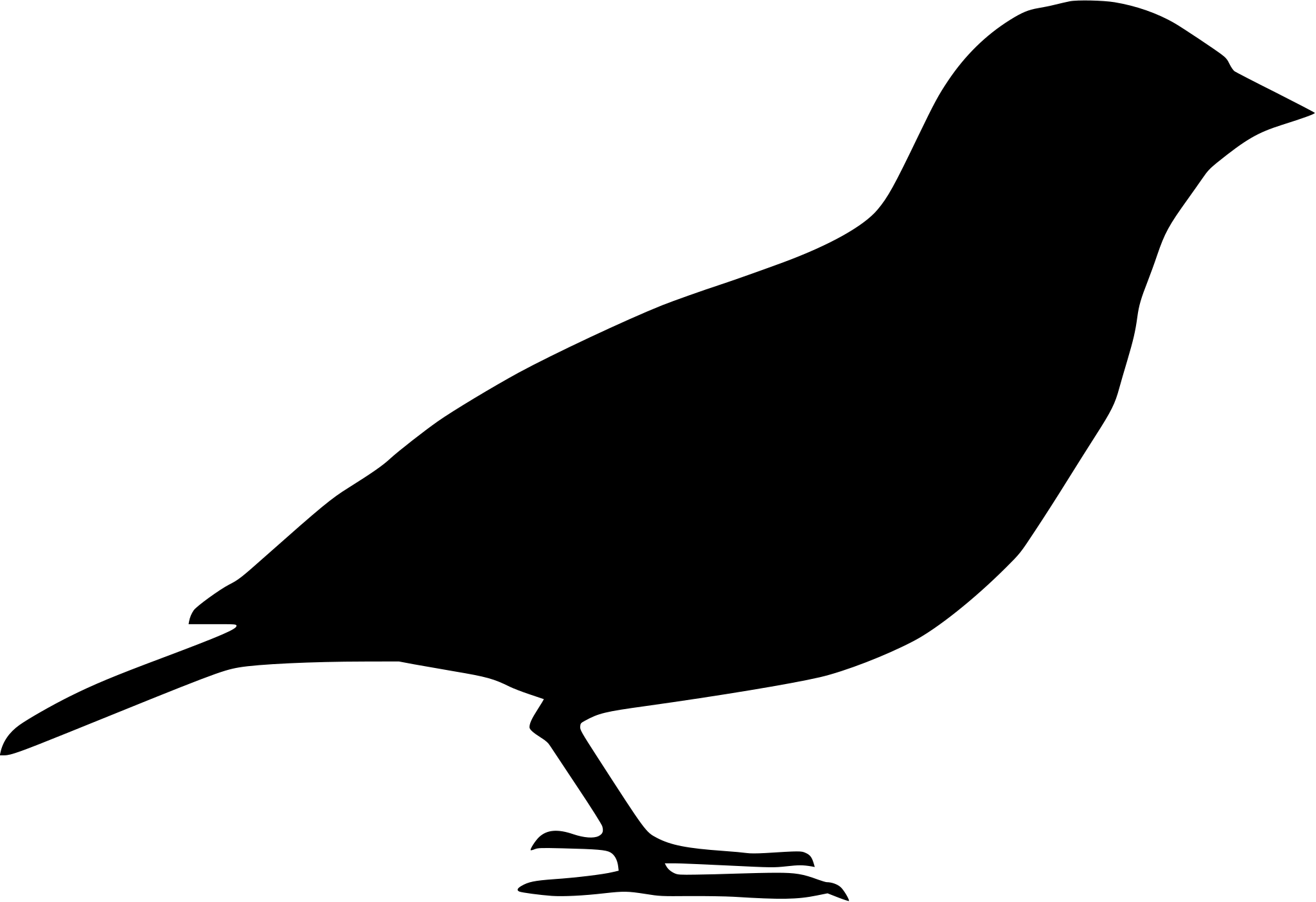
Bluethroat
From April onwards, males sing from reeds, low willows and marsh scrub. Bluethroats are often heard before they are seen, sometimes appearing briefly on top of a stem or shrub.
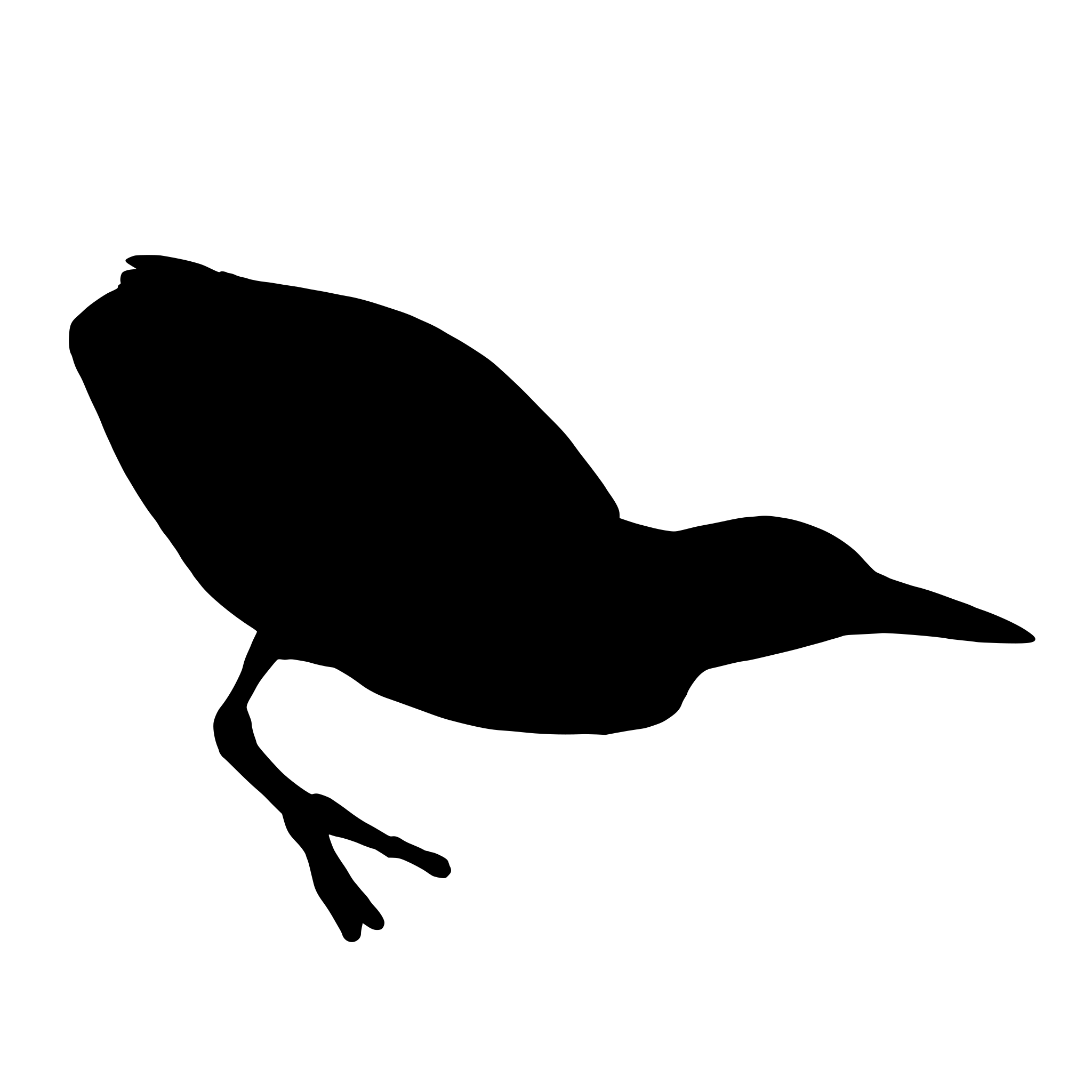
Eurasian bittern
Bitterns remain hidden in extensive reed beds for most of the time. In spring, their deep booming call can carry a long way across the water. Seeing one in flight is a matter of luck.
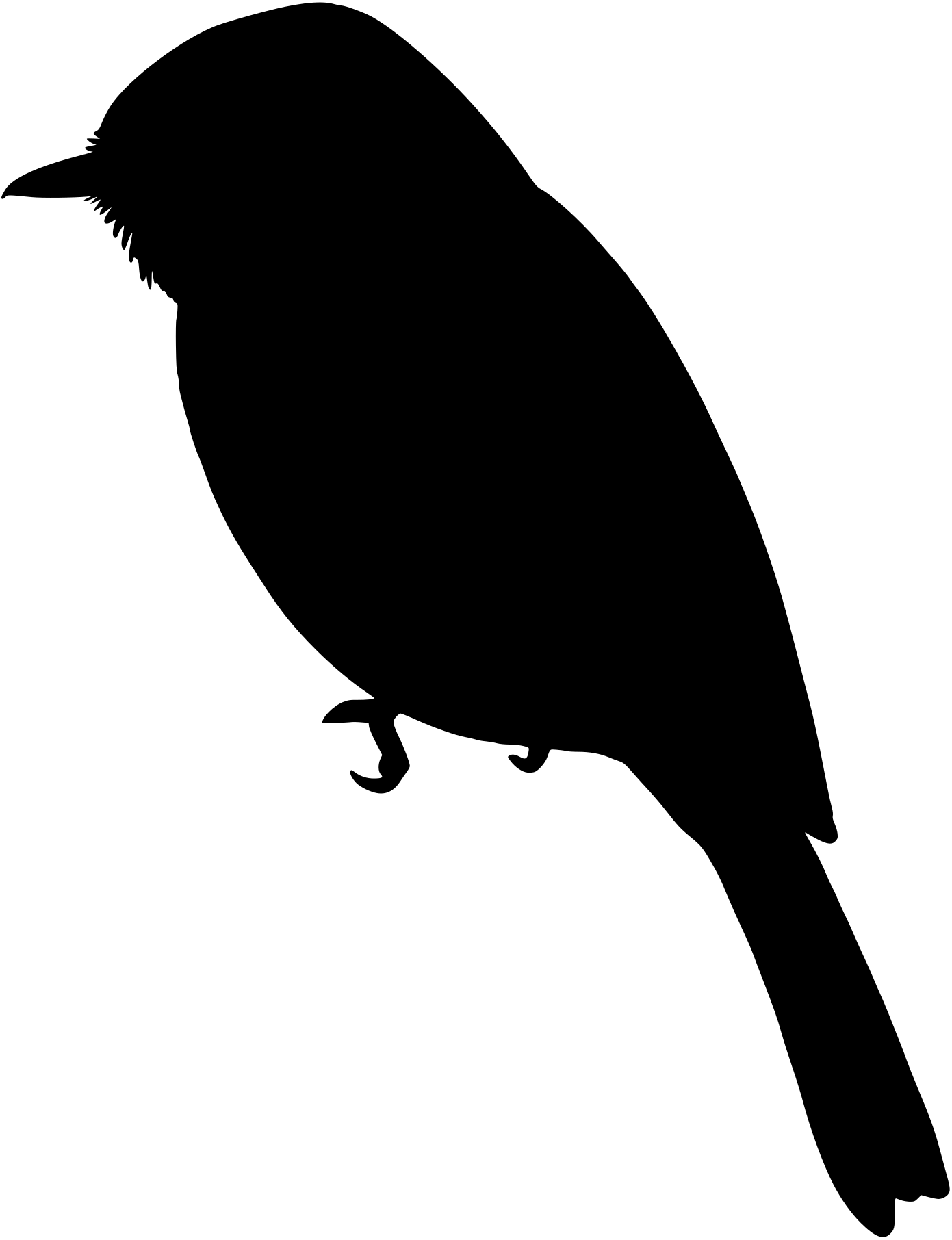
Bearded reedling
All yearBearded reedlings move quickly and skilfully through the lower parts of reed beds. Their distinctive pinging calls often reveal a small group before the birds themselves come into view.

Eurasian wigeon and northern shoveler
From late summer, and especially in autumn and winter, ducks gather on the large lakes. Wigeon often rest in flocks, while shovelers use their broad bills to filter food from the water.
Goosander
Goosanders may appear on the open lakes during cold winter spells. These long, slender ducks dive actively in pursuit of fish.
Natterjack toad
On mild evenings, the prolonged rolling call of natterjack toads may carry from shallow pools in the wet dune valleys. The animals themselves usually remain hidden among low vegetation and sand.
Sand lizard
Sand lizards bask on sunny, sheltered dune slopes and beside patches of bare sand. Move quietly and watch the edges where low vegetation meets open ground.